

Sangria
Plan Z Phase: This is a Z3.5 (ZReboot 3.5) recipe.
Servings: Makes 10 – 12 glasses
1 750 ml bottle of red wine. If you shop for an Argentinian wine it will likely save you money. A bit sweeter or smooth-tasting wine is good too. Some suggestions would be a Rioja, a zinfandel or even a tempranillo. You don’t need to spend a lot of money to get good flavor. Maybe $10 -12 tops.
Ingredients:
- 1 lemon cut into wedges
- 1 orange cut into wedges
- ¼ cup of brandy
- 2- 3 cups of sparkling water or club soda
- one more cup of fruit. You can choose your favorites. Berries are pretty in the pitcher. You can even cut up chunks of peaches or nectarines. Kiwi slices are an option and lime slices too.
Directions:
Put the lemon and orange wedges in the bottom of the pitcher. Mash them up a bit with a wooden spoon to get the juices flowing. Then add the wine and the brandy. Stir and chill until cold. This can be done a day ahead.
Right before you are going to serve it, add the club soda. You don’t want to add that too early or it will go flat.
Serve over ice.
Some people like to let some of the fruit go from the pitcher to the glass. Others prefer to garnish the glasses with other fruit; just toss a few berries in the bottom of the glass (for example) and then top it with the sangria.
Note: You can also go for a white sangria option. In that case change the brandy to vodka or white rum. And use white wine of course. A reisling, gewürztraminer, sauvignon blanc or a pinot grigio will all work. You can also use rose’ and have a pink version.
Enjoy!
Cheers,

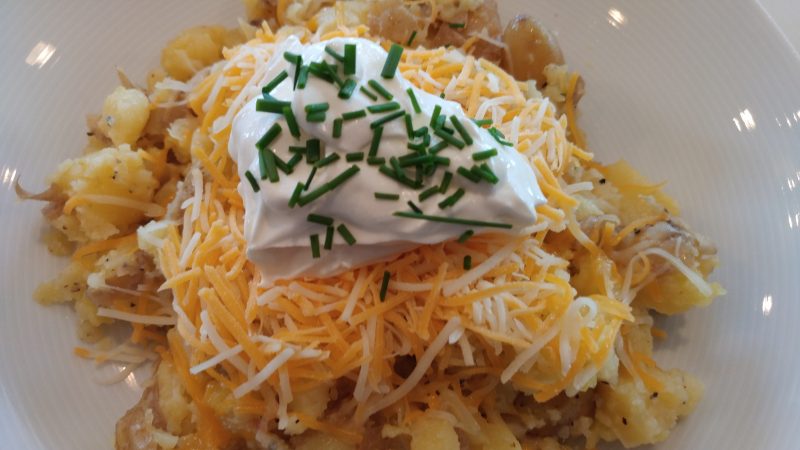
Loaded Smashed Potatoes
Plan Z Phase: This is a Z3.5 (ZReboot 3.5) recipe.
The trick to eating potatoes is to keep them as low-glycemic as possible so they don’t launch your blood sugar. The first step is to pick the right potatoes. The smaller the potato the less mature it is, so it will be lower glycemic than big potatoes. So when I buy potatoes now I go toward the fingerling potatoes or the C-size. The C-size ones are the little round ones. They are usually red but they do come in white skin too; or even purple. The second step is to put fat on your potatoes. The fat helps keep down the glycemic load too. So those things you thought were bad for you when you had a loaded baked potato are actually the good parts. The sour cream, the butter, and the cheese actually make this a healthier dish.
Don’t start making potatoes every week. Keep this for special occasions. When you have fully stabilized and you are confident in keeping your weight in control you can consider eating a one cup portion of potatoes about once a month. Keep an eye on the scale though. If I eat more than this I can count on a 2 pound gain the next day and then I have to be good to work that off.
Servings: 1 cup per person
Ingredients:
- 10 fingerling potatoes, washed
- 2 – 3 Tbl of butter
- 1 cup of sharp shredded cheddar cheese
- ½ cup of full-fat sour cream
- grated sea salt and pepper
- chopped chives (optional)
Instructions:
Cook the cleaned potatoes in boiling water for approximately 15 minutes or until a sharp knife pierces them easily.
Drain and put them in a bowl.
Add the butter, take a fork and mash them up to a lumpy consistency (or however you like it). Stir regularly to incorporate the melted butter. Season with grated sea salt and pepper to taste.
Top them with the cheese and sour cream. Add some additional chopped chives for color.
Enjoy!
Cheers,
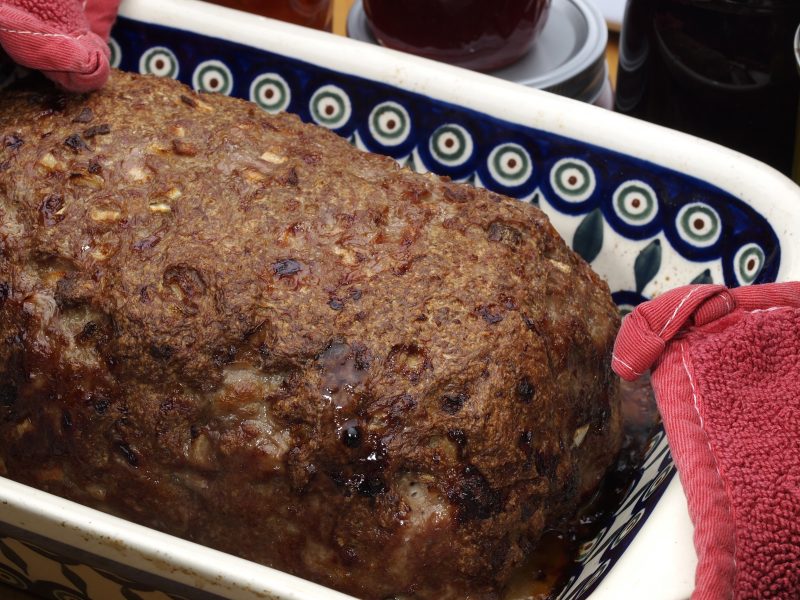
Frito Meatloaf
Plan Z Phase: This is a Z2 (ZReduction) recipe.
You are allowed 9 Fritos for your crunch so in this flavorful meatloaf, prep you count out 54 full-sized Fritos (regular, not scoop) and then grind them up instead of breadcrumbs. When you serve it, remember that your crunch item is already included, so no breadstick or crackers with this meal.
Servings: Serves 6
Ingredients:
- 54 Fritos finely crushed (you can do this with a food processor or put them in a bag and break them up with a rolling pin)
- 1 tsp of cumin
- 1 tsp of garlic powder
- ¼ tsp of ground black pepper
- ½ tsp of grated sea salt
- 1 cup of thick salsa.* You choose your favorite. Make sure there is no sugar or fruit in the ingredients. Can be mild, medium or hot.
- 1.5 pounds of ground sirloin
- 2 eggs
Directions:
Put all the ingredients in a large bowl. Mix to combine thoroughly. I do this with clean hands. I really dig in.
Preheat your oven to 350 degrees.
Get out your 9" x 5" loaf pan. Spray it with olive oil spray. Put in your meatloaf and form it into a loaf shape.
Bake at 350 degrees for about 60 minutes. Let it sit out of the oven for another five minutes before cutting to serve.
*You can take any leftover salsa and use it like sauce on your meatloaf slice. Limit yourself to a quarter cup at the most.
I used Frontera Chipotle salsa. Chef Rick Bayless lives in Chicago and his offerings are high quality. I did notice there is a bit of sugar in there but it’s the last ingredient so it’s almost nothing. Don’t use pico de gallo. That would be too watery. If you are using fresh salsa make sure it’s thick. Most are not.
If you want a firmer meatloaf and your salsa is a bit watery, you can drain the salsa in a sieve and then add it to your meatloaf.
Enjoy!
Cheers,
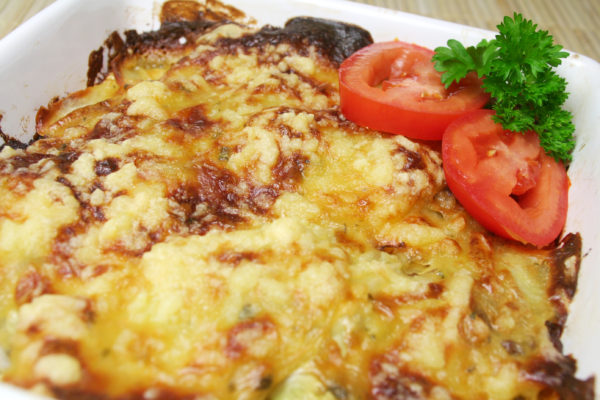
Beefy ‘No Noodle’ Lasagna Casserole
Plan Z Phase: This is a Z3 (ZReboot) recipe.
This is a hearty and satisfying casserole for those who would love a traditional lasagna but know the noodles are not smart.
This is a take-off of a chicken recipe sent in by one of our Plan Z dieters.
Servings: 6 - 8 people
Ingredients:
- 1 lb of ground beef
- 2 Tbl of Italian seasoning
- 12 oz of spaghetti sauce (Find one with no sugar. Newman’s Own brand is one. Otherwise just read the labels. You’ll find one. Most jars are slightly bigger than 12 oz so you might have some leftover.
- 8 oz of ricotta cheese (buy full-fat ricotta)
- 3 cups of washed, baby spinach
- 1 cup of fresh mushrooms, sliced or chopped. You choose.
- 2 cups of shredded mozzarella
- fresh basil (optional)
Instructions:
In a large sauté pan, spray with some olive oil spray and add your ground beef. Sauté on medium, breaking it up constantly so it gets to a sauce consistency. You can leave in some chunks or make it smoother. Your choice. Add your Italian seasoning and stir.
Take out your 9”X9” oven-proof pan. Put a ¼ cup of the spaghetti sauce in the bottom. Then layer on your ground beef mixture. Layer on the baby spinach next. It gives it a transition sort of like laying in pasta. Gently spread your layer of ricotta on top of the spinach. Scatter on your mushrooms.
Top this with a layer of spaghetti sauce. Cover the whole dish end to end. Then top with mozzarella.
Bake at 350 for about 20 minutes. Then turn on the broiler and brown the top. Keep an eye on it so it gets lightly browned but not blackened.
Let sit on the stove for about 10 minutes before you slice it. This helps it settle and that way you won’t burn your mouth when you go to eat it.
When I serve this I scatter some minced, fresh basil over the top.
Cheers,
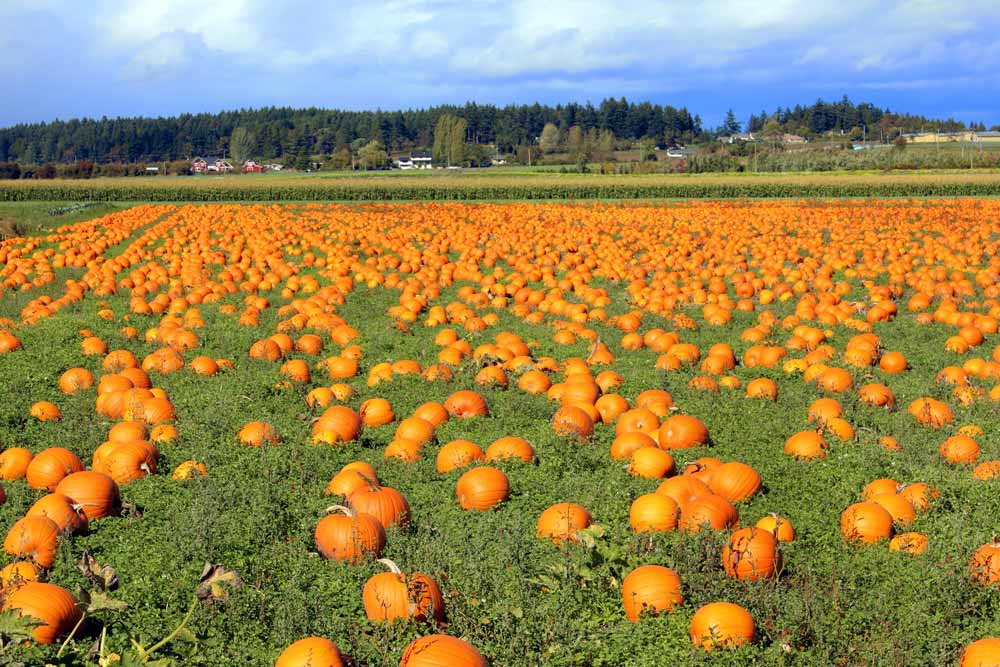
The Big Pumpkin
I think you all know I live in Illinois. Specifically, I live in Chicago, but there is a lot of Illinois to the south and even a bit to the north of Chicago.
Today I want to talk about pumpkin production in Illinois. It is October. Pumpkin time.
I pulled a bunch of statistics from an article online that lays out the production of pumpkin in Illinois. I don’t know about you, but I found this fascinating. As a child in Wisconsin, I looked forward every fall to getting in the car with my mom to go pick a couple of pumpkins to carve for Halloween. I had no idea what was going on down a little further south.
An Illinois farm likely grew both your Halloween pumpkin (known in the industry as ornamental) and the prime ingredient in your Thanksgiving pie (called processing pumpkins).
When it comes to pumpkin production, Illinois smashes the competition. Prairie State farmers grow more ornamental and canning-type pumpkins than any other state. In fact, Illinois produced more than twice as many pumpkins as second-ranked to California.
More than 90 percent of the nation’s canning pumpkins grow in Illinois, says Mohammad Babadoost, a plant pathologist and professor at the University of Illinois.
Illinois earns the top rank for several reasons. Pumpkins grow well in its climate and in certain soil types. And in the 1920s, a pumpkin processing industry was established in Illinois. Decades of experience and dedicated research help Illinois maintain its edge in pumpkin production.
Two pumpkin processing facilities exist in Illinois today – Nestle Libby’s in Morton and Seneca Foods in Princeville, both located near Peoria. I’ve never been to the countryside around Peoria. Might have to check that out.
Rows of pumpkins are harvested before being taken to the Nestle/Libby’s plant in Morton, Ill. Morton is known as the Pumpkin Capital of the World.
Farms throughout the state grew more than 278,000 tons last year. That translates to millions of pumpkins.
The Difference Between Pumpkins You Eat and Pumpkins You Carve
- Jack-o’-lantern pumpkins can be eaten. Processing pumpkins can be carved. But for best results, stick to the pumpkin’s intended purpose.
- Ornamental pumpkins possess decorative appeal. They exhibit bright orange, smooth flesh with heavy handles. A few varieties offer uniquely colored flesh or warty texture.
- Processing pumpkins are bred and selected to be canned. They have pale flesh, meatier insides and a more palatable flavor. The production of these pumpkins has increased with the growing public demand for pumpkin-flavored products.
- Pumpkins grown for consumption pack a nutritional punch of antioxidants, fiber and vitamin A. As a result, home cooks use pumpkin to flavor soups, pasta dishes, cookies, breads, pancakes and more. Even some dog foods contain the healthy power of pumpkin.
How Pumpkins Grow:
Pumpkins take about 120 days to grow from planting to harvest. The sprawling plants grow and cover fields with vines up to 30 feet long. The vines contain flowers that bees pollinate to become pumpkins. Disease presents the biggest challenge during the growing season. Warm and moist conditions increase those concerns.
Farmers use machines to harvest processing pumpkins. One farm machine moves the pumpkins into rows, while another elevates them into trucks. Then the crop travels to the facility to be washed, chopped, processed and canned.
In contrast, farmers harvest ornamental pumpkins using good old-fashioned manpower. These decorative gourds must be gathered by hand to avoid bruising and damage.
As part of Plan Z I have all kinds of pumpkin recipes I’ve developed over the years. Pumpkin is one thing I get a hankering for when fall comes. I never was all that crazed about a traditional pumpkin pie. I found them to be dry most times but a good one packs a flavor punch.
This year I can’t wait to make the pumpkin icebox pie. That was my newest recipe last year. The pumpkin muffins are a big hit for breakfast. And the breakout recipe I developed early on in the history of Plan Z was the pumpkin cheesecake. I’m sharing all three with you today.
Enjoy!
Cheers,

2nd Tuesday Call - October 10th, 2017
Howdy Plan Z Dieters!
You’re a Plan Z Insider. That means you have direct access to Zola and the ZTeam whenever you need us. On top of that, every 2nd Tuesday of EVERY month you have a chance to listen to Zola “live”. Zola will bring you the newest dieting information, discussion of popular recipes coming out of ZKitchen and a whole lot more. Each month we interview a Plan Z Dieter so you can hear about their experience with Plan Z and you have a chance to participate by asking questions or commenting on your own Plan Z story. Register and tune in over the lunch hour.
Here’s what’s on the agenda:
Pumpkins!
- They are being harvested by the millions, right now! Learn about pumpkins for carving and for making pies. A little bit of history and fascinating facts surrounding pumpkins.
What will Zola be carving this year?
- Tune in to find out. She’ll also give you lots of inspiration for your carving projects.
Chris, VP Anger Management will interview Dieter Liz.
- She’s funny and she’s serious about her Plan Z success. Listen to her story.
Zola will also share some of her favorite pumpkin recipes.
- Cheesecake, muffins, icebox pie and more.
Chris, VP Anger Management will reveal a new video we will be sending out to all dieters.
- Must See TV. Dr. Lustig to the rescue again with vital information on the Hacking of the American Mind. And no, this is not about politics. This is about manipulation of your mind around the topic of food, eating, and pleasure.

Her Name Was Gloria
Her name was Gloria. My first and only hurricane experience.
Here’s how Wikipedia describes Hurricane Gloria:
Hurricane Gloria was the first significant system to strike the northeastern United States since Hurricane Agnes in 1972 and the first major storm to affect New York and Long Island directly since Hurricane Donna in 1960. It was a powerful Cape Verde-type hurricane that formed during the 1985 Atlantic hurricane season, originating from a tropical wave on September 16 in the eastern Atlantic Ocean. After remaining a weak tropical cyclone for several days, Gloria intensified into a hurricane on September 22 north of the Lesser Antilles. During that time, the storm had moved generally westward, although it turned to the northwest due to a weakening of the ridge. Gloria quickly intensified on September 24, and the next day reached peak winds of 145 mph (230 km/h). The hurricane weakened before striking the Outer Banks of North Carolina on September 27. Later that day, Gloria made two subsequent landfalls on Long Island and later western Connecticut, before becoming extratropical on September 28 over New England. The remnants moved through Atlantic Canada, eventually dissipating on October 2.
My husband and I were visiting his parents at their summer cabin in Maine.
Jack and Sally lived up the cliff from the ocean, buried in the huge pine forest above the little cove town called Booth Bay Harbor. Many a famous person docked their yachts in Booth Bay Harbor during the summer. Walter Cronkite had his yacht there. It was called “On Assignment”. (Clever, eh?) Jimmy Dean spent much of his summers up there on his yacht. Of course, Jimmy Dean’s yacht was named “Big Bad John” after his famous song. His massive yacht was 53’ long and took up a significant portion of the Harbor when he was in town. It was fun to walk down the hill and see which yachts and sail boats were in for the day.
All of the yachts took off as soon as they predicted the hurricane. Everyone was getting ready to hunker down for the worst.
Jack and Sally’s little log cabin was darling. It was really only 3 rooms though. No second floor and no basement. There was no bathtub. Before a hurricane, one thing they tell you to do is fill the tub in case you need it to run your plumbing in the aftermath. So we filled big jugs of water. We got the recommended 3 days of food, plenty of bottled water to drink and plenty of candles and matches.
We were up the cliff so there was no evacuation order. What I was worried about was the winds whipping through those massive pine trees. I was afraid one of them (or even more than one) would fall and crush the cabin.
The skies did get very dark. The rain came in torrents and the trees whipped, but as old as they were, not one of them snapped. We played games by candelight listening to a portable radio as Hurricane Gloria did her damage outside.
At the end, I thought I had been in worse blizzards in Wisconsin. I wasn’t impressed with Hurricane Gloria but as Wikipedia pointed out, by the time it got to Maine it has pretty well petered out. (That’s a term my mom used to use…petered out).
As I write this, my thoughts are with clients and their families from Texas all the way up the East Coast. And of course, let’s not forget Puerto Rico and the Caribbean. I hope they all fair well.
Thanks,
It's a Whole New World
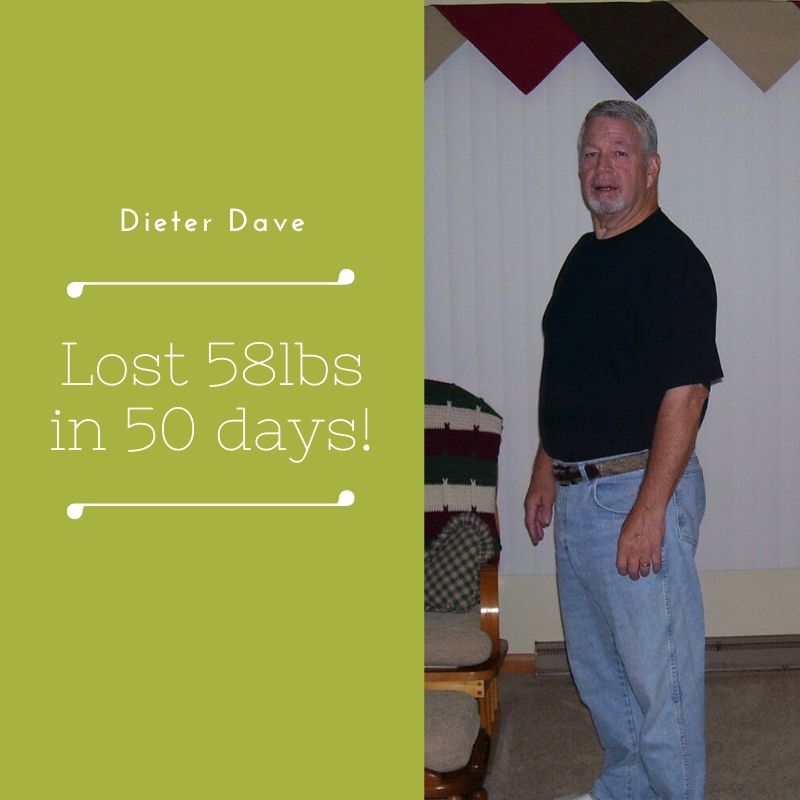
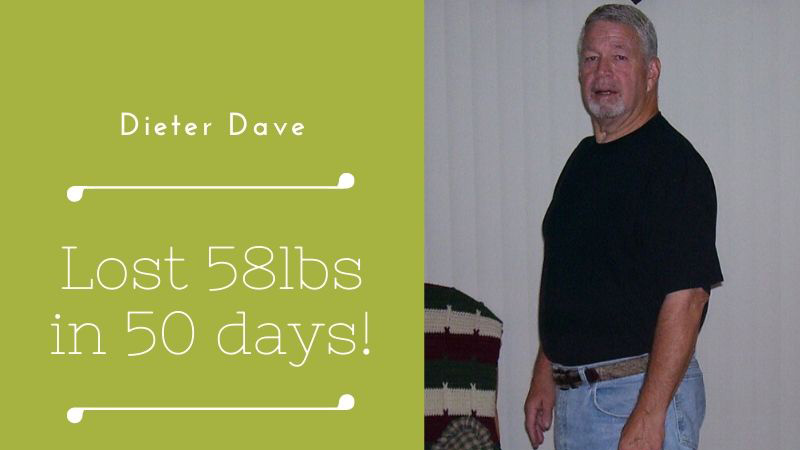
"It's a whole new world! My life's back! That's the best part. I feel like I got my life back," says Dieter Dave after he lost 58 pounds on his first round of ZReduction. Dave has always been a runner; running 2-4 miles a day since his freshman year in high school but that wasn't enough to keep the weight off.
"All the miles on the treadmill, 4 to 6 to 8 miles a night. I'd do that for days on end and maybe at the end of 3 months [I'd] be down 15 pounds. How hard it was on the knees and the ankles and the hips and all that compression on the joints but I thought I was doing the right thing."
Like most of us, Dave thought that more exercise and smaller portions was the solution until he received a new education on healthy eating from Plan Z. Now, Dave eats more food then he did before. In fact, he's had comments from family members saying, "Look at all that food! I've never eaten that much in my life." Dave found more benefits than a full plate. He found a whole new world free from lower back and knee pain. He was able to get off his blood pressure medications too. Now, his wife has hard time keeping up with him.
We asked Dave for some advice to our new dieters and he said, "Be patient. You're going to be so surprised when you get up every morning and step on that scale."
Congratulations Dave!
Listen to his story below:
Pinah's Rye Chips
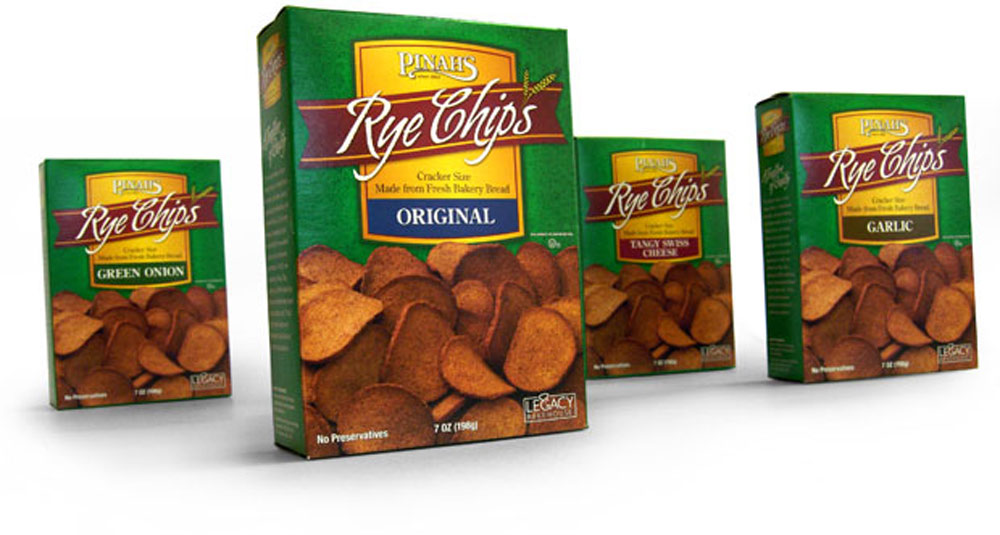
Pinahs Rye Chips are now ZReduction Approved. Yay! The best news is that you can have 6 per meal as your breadstick portion! These are a nice crouton replacement for salads, and also make a great little snack if you’re on the go.
Enjoy!
Cheers,

2nd Tuesday Call - September 12th, 2017
Howdy Plan Z Dieters!
You’re a Plan Z Insider. That means you have direct access to Zola and the ZTeam whenever you need us. On top of that, every 2nd Tuesday of EVERY month you have a chance to listen to Zola “live”. Zola will bring you the newest dieting information, discussion of popular recipes coming out of ZKitchen and a whole lot more. Each month we interview a Plan Z Dieter so you can hear about their experience with Plan Z and you have a chance to participate by asking questions or commenting on your own Plan Z story. Register and tune in over the lunch hour.
Here’s what’s on the agenda:
September… it’s Back to School Time
- Time for the adults to go back to school too, and learn about the benefits of magnesium. I am recommending magnesium citrate instead of a fiber supplement now because magnesium has so many other benefits and works so well!
- Tune in as I feature Dr. Mark Hyman’s views on magnesium.
Chris, VP Anger Management is interviewing Dieter Janet
- Janet’s early elation over Plan Z prompted me to ask her if she could be our feature interview and tell us about her early impressions.
Let’s Talk Zucchini
- And have you ever heard of Zoodles? They are all the rage. Zucchini makes an amazing replacement for pasta. We will discuss how this option is so much healthier for you than fettucini or spaghetti AND we’ll watch a little demo on how to make Zoodles. Super Easy!

2nd Tuesday Call - August 8th, 2017
Howdy Plan Z Dieters!
You’re a Plan Z Insider. That means you have direct access to Zola and the ZTeam whenever you need us. On top of that, every 2nd Tuesday of EVERY month you have a chance to listen to Zola “live”. Zola will bring you the newest dieting information, discussion of popular recipes coming out of ZKitchen and a whole lot more. Each month we interview a Plan Z Dieter so you can hear about their experience with Plan Z and you have a chance to participate by asking questions or commenting on your own Plan Z story. Register and tune in over the lunch hour.
Here’s what’s on the agenda:
August. The Dog Days of Summer!
- We’ll be featuring a new family member at Plan Z. His name is Bootes. Patrick’s new dog.
- Send in a picture of your dog before the meeting and we’ll feature your pet too!
The Politics of Food
- VP Anger Management, Chris Lytle will address the politics that go on behind the scenes in the food industry. Congress might be having trouble coming up with health care coverage policy… but there’s more going on. Companies selling us food don’t always have our health at the heart of what they offer. The coverup is sinister. And the politics pervasive. You’ll be peeved when you hear what Chris uncovers.
Cold Drinks for Hot Days
- Yes, you can have your lemonade and drink it too while on ZReduction. I’ve come up with a couple of other favorites this summer too, so I’ll share simple recipes for cold drinks. And they count in your 100 oz water goal!
VP Anger Management, Chris, interviews Jim – who lets us know that even with a demanding job, you can still achieve your weight loss goal on Plan Z.

What's the Big Deal with Gluten
If you've been to a restaurant in the last few years, you’ve likely seen the words gluten-free written somewhere on the menu. But what exactly is gluten, and why can’t some people process it? And why does it only seem to be a problem recently? William D. Chey unravels the facts behind celiac disease, wheat allergies and non-celiac gluten sensitivity.
All My Dead Appliances, May They Rest In Peace
If there were such a thing as an Appliance Graveyard, mine would have plenty of headstones. I have gotten rid of quite a few appliances that used to take up lots of space in my cupboards.
Good news is I didn’t bury those appliances in my backyard like some kind of pet cemetery. I gave them away or donated them.
But why did I get rid of them in the first place?
The answer is...carbohydrates.
Let me explain. For those who don't know my story, I was the self-proclaimed Queen of Diets that Didn't Work. I tried diet after diet until I got so fed up, I did my own research and started my own diet. 7 years later, my diet has helped almost 5,000 people across the country lose weight and keep it off for good. What's the secret? The truth is, there's no secret. It's all about clean eating with a plan, getting the right education and support, and learning how to distinguish real-food based science from clever food marketing.
In the past, one of the biggest things that thwarted my weight loss efforts were the excessive amount of processed carbs that are part of most "normal" diets. They'd stall my efforts every time. As a diet expert, I can tell you, if you're trying to lose a serious amount of weight, those starchy foods absolutely must go. And those clever little appliances that encourage a high-carb lifestyle? They are no longer welcome in my kitchen.
So I did a purge.
Let’s take an inventory of what I got rid of and why:
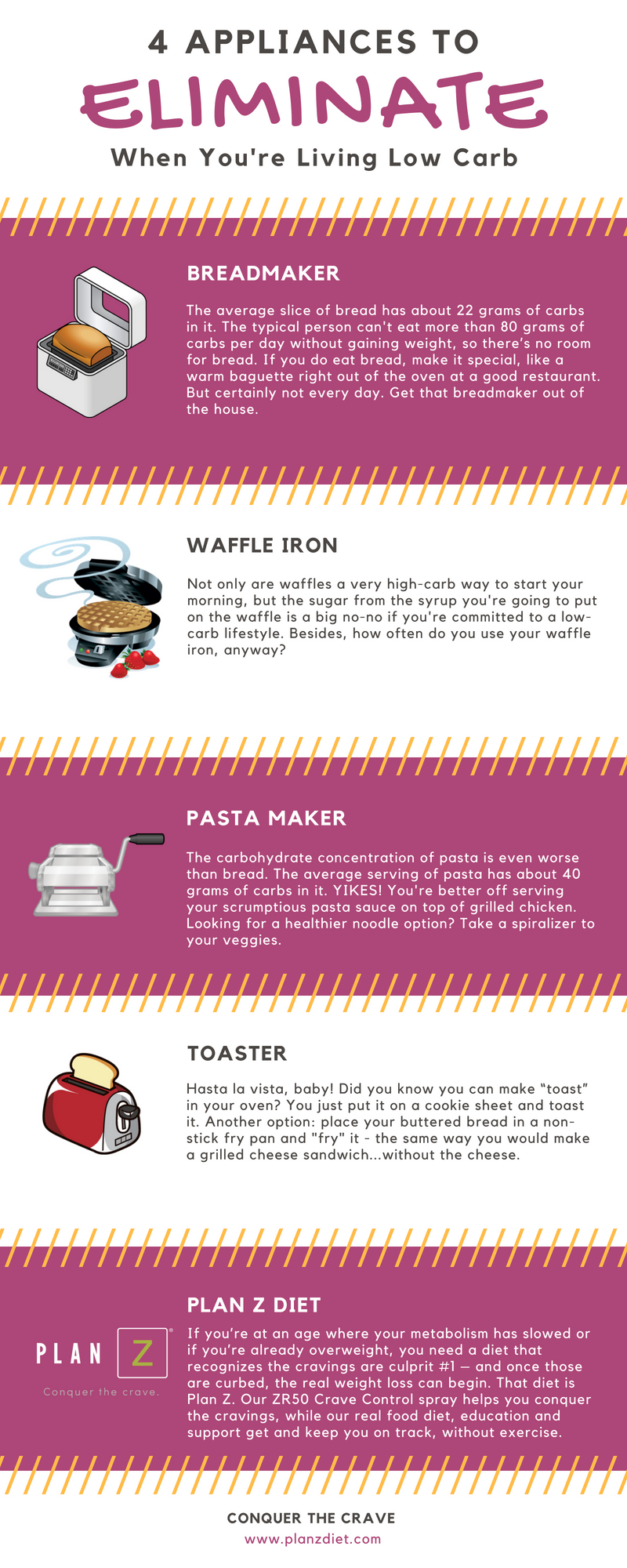
My bread maker. I used to be the queen of custom bread at my dinner parties. I managed to time the baking of the bread to coincide with the arrival of guests. The house would have an amazing aroma no matter what I was cooking up as the entrée. The bread would permeate. I’d take the bread out of the bread maker and it would still be warm to serve when dinner was ready. My specialty was a lemon-pepper bread. It went with just about every entrée style. The average slice of bread has about 22 grams of carbs in it. I don’t eat more than 80 grams of carbs per day now, so there’s no room for bread in that total. If I eat bread, it will be a warm baguette right out of the oven at a restaurant. And I’ll slather that with butter to keep the glycemic uptake down. No blood sugar spikes for me.
My waffle maker is gone. I know now that I could be making low carb waffles, but I didn’t know that then and I really don’t miss it. I almost never made regular white flour waffles; maybe if company came and requested them, but not often. What I used to make, that was delightful, was a cornmeal waffle that was used as part of a dinner entrée. During the summer it was nice to have the hot cornmeal waffle topped with a nice pile of grilled shrimp tossed in a chunky, cold, tomato salsa. Very summer. Very different. People raved about it.
My pasta maker went to see its maker. It has a happy new home now. The carbohydrate concentration of pasta is even worse than bread. The average serving of pasta has about 40 grams of carbs in it. That’s a big YIKES! On the extremely rare occasion that I eat pasta, I cook up a small amount of commercially made pasta or buy some fresh. The difference is I’m only eating a cup of it (at most) and I pile on the sauce. The sauce is the satisfying part, anyway.
I do have a very happy memory of making pasta with some friends late one night. We went to an evening football game at the university. The game didn’t end until about 10 pm so we were definitely eating late. I came home to make up a batch of penne while guests had cocktails. I paired it with a lovely tomato-vodka sauce. Making pasta really doesn’t take all that long; boiling the big pot of water to cook it takes time. When I want to have those memories again, I can still make the tomato vodka sauce and it’s still a BIG YUM.
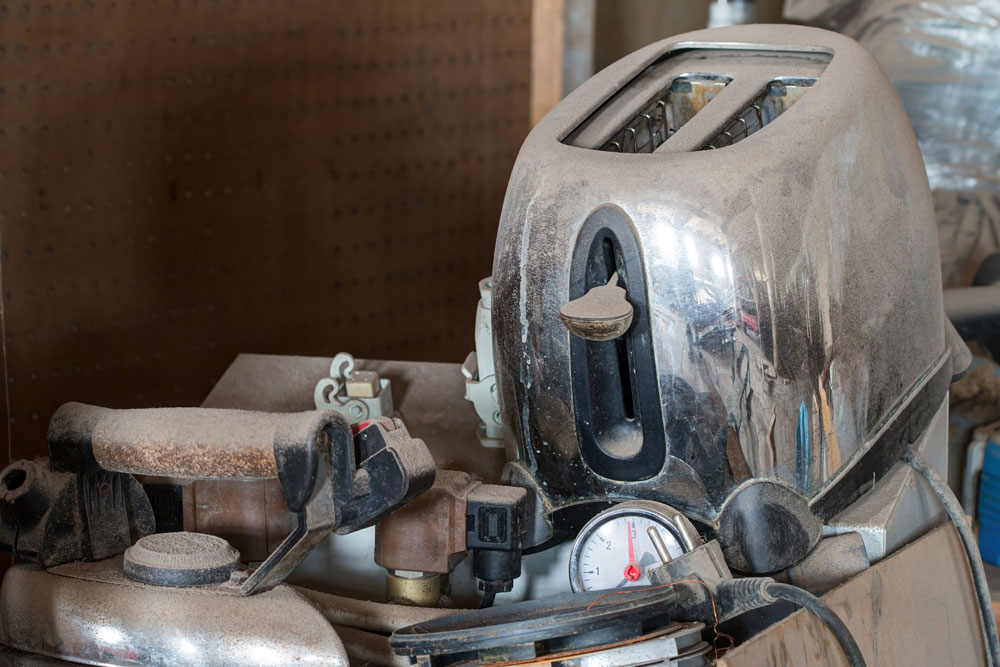
Gone too, is my toaster. Hasta la vista, baby! I discovered two things. Did you know you can make “toast” in your oven? You just put it on a cookie sheet and toast it. Yes, it might be a bit of a waste of energy to fire up the oven just to toast bread, but I’ve only done it twice in 10 years, so it probably isn’t that big a deal. The other thing I discovered is you can put buttered bread in a non-stick fry pan and toast it like that; just like a grilled cheese with no cheese. And it can be buttered on both sides to taste even more decadent. I have not missed my toaster in a very long time. Before I donated it, I even had it put up into one of those very high cabinets that could only be accessed by my husband, or get out the ladder. So I surely wasn’t using it daily to toast bagels or frozen waffles. Those days are long gone.
My cupboards are cleaner now. Everything is neatly organized.
My digestive system is cleaner now, too.
Rest in peace, appliances.
Cheers,

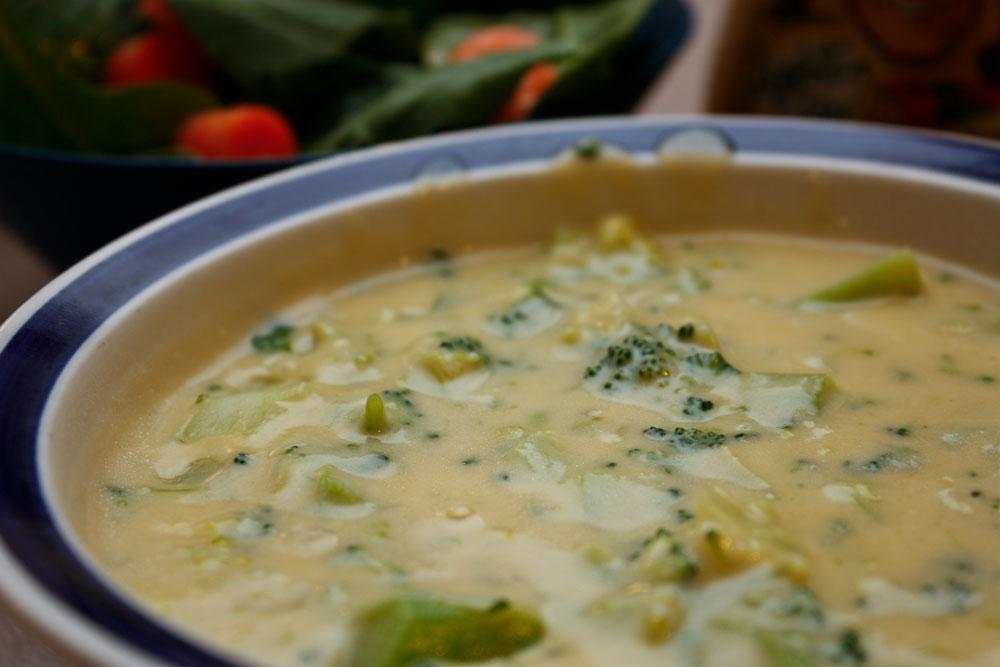 Broccoli Cheese Soup
Put it in the pot and let the magic happen.

2nd Tuesday Call - July 11th, 2017
Howdy Plan Z Dieters!
You’re a Plan Z Insider. That means you have direct access to Zola and the ZTeam whenever you need us. On top of that, every 2nd Tuesday of EVERY month you have a chance to listen to Zola “live”. Zola will bring you the newest dieting information, discussion of popular recipes coming out of ZKitchen and a whole lot more. Each month we interview a Plan Z Dieter so you can hear about their experience with Plan Z and you have a chance to participate by asking questions or commenting on your own Plan Z story. Register and tune in over the lunch hour.
Here’s what’s on the agenda:
Independence from FAT!
- You can celebrate your independence from fat by being successful with Plan Z.
And you don’t have to skip dessert!
- There are so many summer dessert recipes on Plan Z. I am going to showcase a few so you can see how easy, tasty, and sugar-free dessert can be.
VP Anger Management, Chris, will be interviewing one of our most creative dieters yet. He’s young and he’s a gamer!
What’s Up for Harvest for July?
- The garden should be in full swing. Let’s talk about what is in season (in the Midwest – you California people are extra lucky).
VP Anger Management, Chris, will also be doing a book report.
- It’s called “Undoctored”. Interested in staying out of the doctor’s office and willing to make a few adjustments to your lifestyle to do it? Listen in. This is way worth it!
The Goodness of Ghee
My first encounter with ghee happened when I was a little kid. I had no idea it was ghee, but it had a special fascination for me.
On rare occasion, my mom and dad would take us out to dinner on Sunday evening. We usually went to a little bar/supper club call Bleiers. The long bar in front was usually crowded. There were booths along the side but we never sat in the booths. We were taken to a back dining room. That’s where families ate.
The dining room was dim but inviting. To this day, I like to sit in the dimmer part of the dining room rather than a bright spot. When you looked around the room the tables had those classic red, glass candle holders. Sunday evenings those candles were always lit. I find the romance in that.
The place was not fancy but the food was excellent. Every once in a while, one of my parents would order lobster tail. Only the adults were allowed to order lobster but if we were good, “us kids” might get a bite.
Before the lobster arrived at the table, there was a little contraption that arrived courtesy of the waitress. It was a metal stand that also had a little candle underneath it. It was lit and what was above it was a container of bubbling, melted butter. Yummy, bubbling goodness.
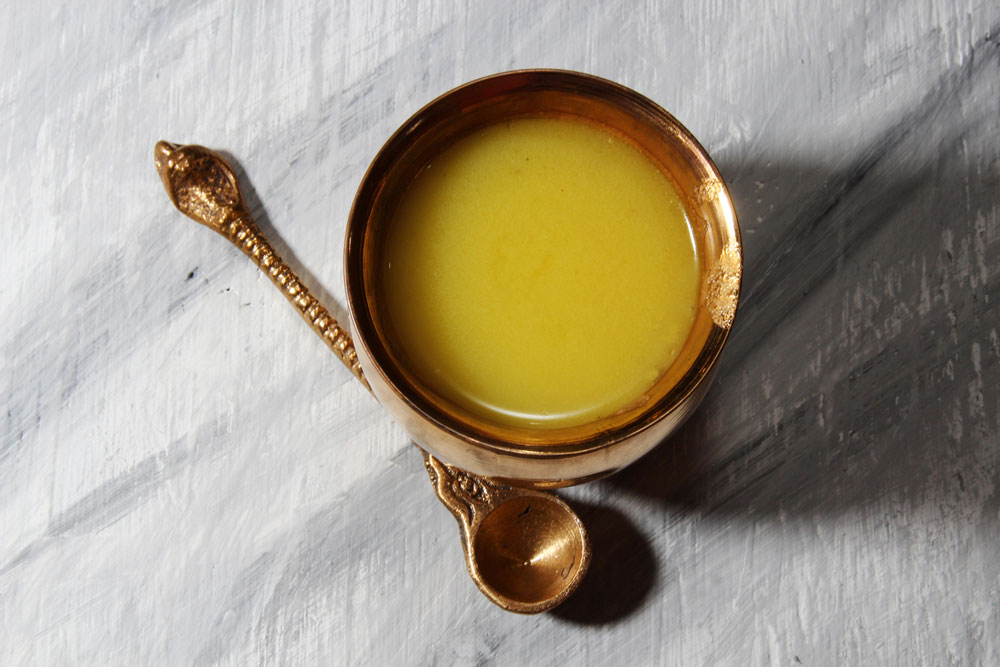
I now know that wonderful, warm butter was ghee. In the United States, we’d call it clarified butter. In southern Asia they’d call it ghee.
So what’s clarified butter (or ghee).
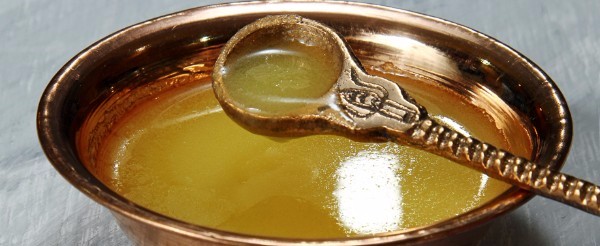
Clarified butter is butter melted on a low temperature until the water evaporates and the milk solids sink to the bottom.
Courtesy of my favorite food science guy, Alton Brown, here is a recipe for clarified butter and its cousin, ghee.
Alton Brown has an amazing capacity to take what others would explain in a complicated fashion and make it accessible. Thank you, Alton.
When I grew up and worked in a French restaurant, I was intrigued when I saw the chef making a pot of ghee. He took 12 pounds of butter and put it in a big soup pot early in the morning. It took all morning to melt down and become the golden goodness he used so liberally in his kitchen.
Ghee has an amazing capacity in the kitchen. It’s not only good for you, and tastes amazing, but one big reason to use it in cooking is the flash point. Use it instead of butter. Butter burns. Olive oil can burn. Ghee does not. So you can saute at a higher temperature and rest assured your food will cook perfectly, yet quickly. Restaurants use ghee all day long. You can even store a jar of ghee in your cupboard at room temperature. It won’t spoil. Clarified butter has to be stored in the refrigerator, but it will last quite a while.
There are tons of health benefits to ghee, too.
Ghee contains some healthy vitamins; A, E and K. They help with bone growth, tooth development and regulation of the immune system.
Ghee is a great source for quick energy. Ghee is metabolized quickly rather than being stored as fat. Your body happily eats it up.
Ghee helps keep your gut healthy. It can block the growth of bad bacteria and help promote the growth of beneficial bacteria in your gut. Take that, fancy yogurt.
Ghee is actually good for your heart. It can lower cholesterol and help keep your heart healthy.
Go to your local grocery store and in the cooking oil aisle you’ll find Ghee. Scoop some up. It’s not cheap but a little goes a long way.
Cheers,
Fish Kabobs
Plan Z Phase: This is a Z2 (ZReduction) recipe.
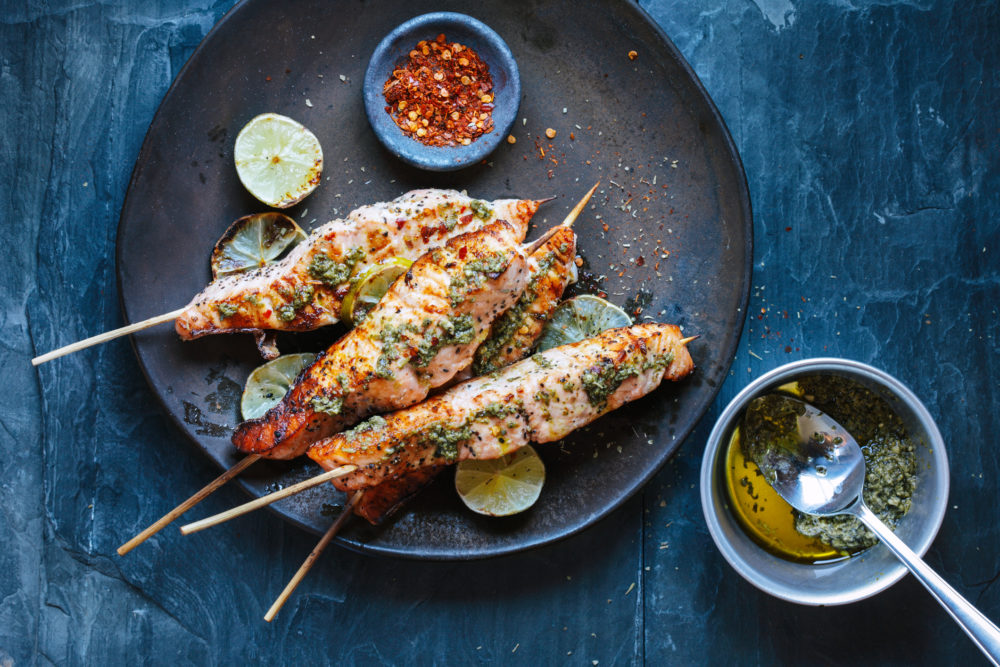
These fast and fun kabobs can be made with any of your favorite ZReduction approved spices. We're including here the directions for the Balsamic Pesto dressing to give these that extra something special.
Servings: Each kabob is a 6-8 oz piece of fish, and is 1 serving. Make as many as you have mouths to feed.
Ingredients:
- 4-6 fillets of white fish of your choice. You'll want pieces no bigger than 8 oz each. You can ask your fishmonger to cut them up for you. To put on the skewers you'll need them to be cut in strips.
- wooden skewers
- Your favorite ZReduction approved spice rub (or included below, our Balsamic Pesto dressing)
- Optional: lime and crushed red chili flakes for garnish
Balsamic Pesto:
- 3 cloves of garlic, minced (I use my rasp. Also called a microplane. Be careful, they’re really sharp! For this dish you definitely want fresh garlic, not jar garlic.
- 1 cup of fresh basil leaves
- approx 1/4 cup – 1/3 cup of balsamic vinegar (start with 1/4 and see if you want it runnier)
- 1 tsp of Truvia or to taste
- Salt and pepper
Instructions:
Preheat your oven to 375 and set a pan with a rack aside to put the fish kabobs on. Start by making the pesto, or whichever spice mixture you want to use. For the pesto, combine all the ingredients in a blender or food processor and blend until it is finely minced. Add water to get a spreadable consistency. Set it aside and put the skewers lengthwise through the each of your fish fillets. Put the fillets on the rack you set aside and brush the pesto onto each kabob, turning them over to brush the other side as well. Put the pan in the oven and set a timer for 20 minutes. The fish is done when it is solid white and firm.
You can also easily grill these instead of baking. Just make sure to use metal skewers on the grill.
Enjoy!
Cheers,
FitBit Mania
When the “10,000 steps a day” craze started, my husband and I bought in. We strapped pedometers to our waistbands and got hoofing it.
Over our lunch break, we’d tie up our athletic shoes and head to the dog park around the corner. It’s a big park. Two blocks long on each side. We’d walk at a brisk pace around the park three times. Each time we passed the doggie play section, we could see what the canines were up to. We got our entertainment as well as our steps.
By the end of day, we’d easily surpass our 10,000 steps goal.
Yay, us.
But did I lose any weight in the process?
Nope. Not a pound.
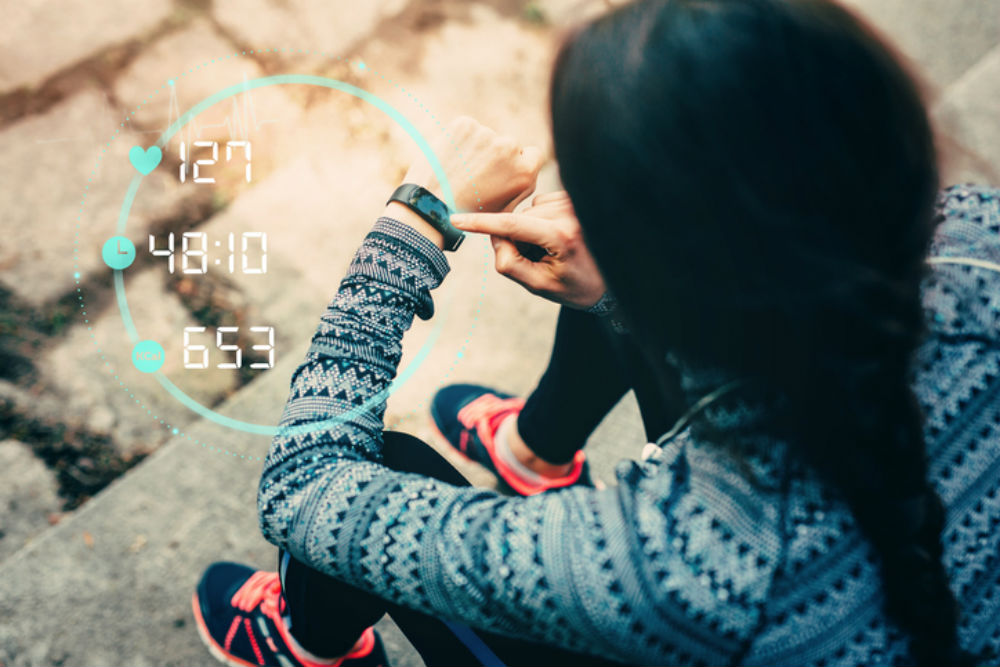
Fast forward to 2017 and the Fitbit craze is in full gear.
I had no intention early in the week to write about Fitbit but I’ve been getting negative comments about them from clients, so I decided to check into this further.
This really is a polarizing topic. People either love those things or hate them.
Here are some interesting numbers to start things off:
- Fitbit did $745 million in sales last year and recently kicked off their IPO. They are selling stock in Fitbit now.
- You have to register your Fitbit with the company. They report that there are 19 million people who own a Fitbit.
- More interesting number is they report that only 9.5 million Fitbits are actively being used. That leaves almost 10 million of them already gathering dust in a drawer. People wear them for a while and then quit; like so many other exercise fads.
I’ve heard stories of people who walk around their house at 11PM working to make sure they hit the 10,000 steps a day mark. They can’t sleep unless they hit their goal.
Others are talking about how their Fitbit took all the fun out of their exercise routine. They are so obsessed with hitting a goal number that they can’t focus anymore on the pleasures associated with exercise. One guy talks about how he used to enjoy his evening walk. He enjoyed seeing the dogs along his path. He enjoyed looking at the sky and the changes in the cloud formations. He enjoyed breathing in the fresh air. Now he stares at his wrist; willing the number to go up to 10,000 so he can go home.
Two recent converts to Plan Z wrote to tell me that they dumped their fitness gadgets because all they did all day was enter in what they were eating in order to get a calorie total. It drove them nuts and they weren’t losing any weight in the process. You don’t have to record anything while on Plan Z. You just eat the allotted food…and lose. You don’t have to hit 10,000 steps either. I knew from a decade ago that it didn’t make any appreciable difference in my weight. My heart might have been happy about it but my scale was unimpressed.
I’m not real impressed with what’s out there for fitness gadgets that strap to your wrist. I’m not buying the stock, either. I think I’ll stick to my weight training routine and traditional yoga. Does the trick for me. I have enough stress in my life without adding in pressure from my watch.
Cheers,
2nd Tuesday Call - May 9th, 2017
Howdy Plan Z Dieters!
You’re a Plan Z Insider. That means you have direct access to Zola and the ZTeam whenever you need us. On top of that, every 2nd Tuesday of EVERY month you have a chance to listen to Zola “live”. Zola will bring you the newest dieting information, discussion of popular recipes coming out of ZKitchen and a whole lot more. Each month we interview a Plan Z Dieter so you can hear about their experience with Plan Z and you have a chance to participate by asking questions or commenting on your own Plan Z story. Register and tune in over the lunch hour.
Here’s what’s on the agenda:
Time to Plant the Garden
- Now that we’ve downsized, have a deck the size of a train car, and no yard, I have to be picky about what I plant. I still want some fresh herbs for cooking. I’ll feature my top six.
34 Years of Lemon
- VP Anger Management and I have been together for 34 years. Each year, in May, I make him a lemon dessert for this birthday. Lemon is his favorite flavor. Let’s see what I come up with this year!
The Benefits of Ghee
- Most Americans don’t know what ghee is, so they don’t know how wonderful it is to use in cooking. And the health benefits are many. Let’s talk ghee.
May’s Interview
- We will be talking to the lovely Hayley St. John. She’s on the air for us in Nashville, TN. Hayley doesn’t have a ton of weight to lose, but she has been pleasantly shocked by how fast it’s coming off! She’s already shopping in her closet. Let’s get to know Hayley.
Plan-Z-2nd-Tuesday-May-2017-Handout
Everything Goes Better With Bacon
If you’re trying to eat healthy, (aka clean eating) you’re likely to have an opinion about bacon. I have a very dear friend from Iowa. The land of pork.
He’s the kind of guy who gets his pork products directly from the farm. He was raised on a farm so he still has lots of friends in the farming business and he chooses his purveyors carefully.
He’s really picky about his bacon. He wants his with no nitrates, no nitrites and he wants it uncured. Those things all sort of go together as we are about to find out.
For this column I am going to do something I don’t usually do. I am going to fully source an article I found written by the fine folks at Prevention magazine. I am going to interrupt their findings with comments of my own, but I think they did the best job of laying out the controversy surrounding bacon. They also do a great job of defining the elements involved; namely nitrates, nitrites and curing.
So….
Are nitrates and nitrites good or bad?
To answer that question, you first need to understand how they’re different. Nitrates and nitrites are both naturally occurring chemical compounds found in soil, water, plants, and even our own bodies. One of the most common forms is a natural salt called sodium nitrate, which is exceptionally good at preserving meats and has been used for this purpose for generations. But, near the turn of the 20th century, meat producers made an important discovery: When sodium nitrate interacts with bacteria in meat, it converts to sodium nitrite. Today, just about every manufacturer skips that bacterial conversion and just adds synthetic sodium nitrite directly to cured meats. It’s the “synthetic” part that makes the hairs on the back of my neck stand at attention.
In some ways, that’s a good thing: Nitrites keep the fat in meat from going rancid while inhibiting the growth of dangerous bacteria like listeria and botulism. But in the 1970s, researchers discovered that when meat containing sodium nitrite is heated above 266°F, it creates nitrosamines, or compounds that are carcinogenic to animals. That triggered the USDA to limit the amount of nitrites that may be added to cured meats and to require that all products containing nitrites include vitamin C, which prevents the formation of nitrosamines. Still, in 2010, WHO (World Health Organization) listed ingested nitrates and nitrites as probable human carcinogens.
But here’s the shocker: For all the fuss that’s been made about nitrates, nitrites, and nitrosamines, cured meats only account for a minuscule 6% of our dietary nitrate intake. Around 80% of our nitrate consumption comes from veggies, according to the CDC (about 21% is accounted for by drinking water). Celery, leafy greens, beets, parsley, leeks, endive, cabbage, and fennel are the most potent sources, but you’ll get some nitrates from almost any plant you eat. You’ll notice that these all grow in the ground and most of them are fairly leafy.
Why are plants so high in nitrates? They pick them up from soil, nitrogen-based fertilizer (another reason to do your best to eat organic), water, and nitrogen in the atmosphere. When we eat nitrates in plants, bacteria in our mouth convert them to—you guessed it—nitrites. Nitrites are then absorbed and stored in our cells until they’re turned into nitric oxide, a compound that’s proven to relax blood vessels and increase blood flow. I’ve seen this reference more than once, from different types of sources, so that gives me hope.
Nitrites are so essential, in fact, that our bodies even create it on their own. “For every kilogram of body weight you carry, your body naturally produces about a milligram of nitrite,” says Jeff Sindelar, PhD, associate professor at University of Wisconsin-Madison department of animal sciences.
The bottom line? Some researchers have found associations (but not direct causal links) between high nitrite consumption and certain cancer risks. “There is some epidemiological evidence suggesting that, when added to foods, these compounds may be associated with esophageal or stomach cancer,” says Johanna Congleton, PhD, EWG senior scientist. “Those studies are the ones that give us cause for concern.”
So often these studies come up with the cautionary “more work needs to be done”, yet they go ahead and publish anyway. I guess they just want to be first to get published. But others have called for the re-classification of dietary nitrates as a nutrient, not a potential carcinogen. “Worrying about consuming these products at high enough levels where they might be considered toxic is really an insignificant concern,” says Sindelar. (That’s not a carte blanche to gnaw on salami logs every day. There is well-documented consensus that high consumption of processed meats can up your risk for heart disease, cancers, and death—no matter what preservatives have been added to them.)
There’s no simple answer. Whether nitrates and nitrites are a boon or a blight may depend heavily on what foods they come from and the particular human ingesting them. One thing is for sure: Nitrates’ and nitrites’ reputation as avoid-at-all-cost, cancer-causing nasties does not appear to be entirely accurate.
So leaving Prevention magazine’s input, what is curing? And what does it have to do with bacon?
Cured vs. Uncured
Cured bacon is preserved with a commercial preparation of salt and sodium nitrites. Nitrites are additives that are responsible for giving bacon its pink color, among many other things.
There are two methods of curing — pumping and dry-curing. The concentration of nitrites cannot exceed 200 parts per million (ppm) in dry-cured bacon and 120 ppm in pumped bacon, according to the U.S. Food Safety and Inspection Service (FSIS).
“Uncured” bacon is bacon that hasn’t been cured with sodium nitrites. Usually, it’s cured with a form of celery, which contains natural nitrites, and plain old sea salt, as well as other flavorings like parsley and beet extracts. Uncured bacon has to be labeled: “Uncured bacon. No nitrates or nitrites added.”
So, here are my takeaway points:
- Eat organic if you can, to limit the amount of nitrogen-based fertilizer you end up consuming.
- Avoid buying a lot of “lunch meat.” I used to buy the stuff shrink-wrapped and hanging from hooks. No more.
- When I do buy any kind of meat from the deli I try to buy items that have been roasted in house. They are fresher.
- And I try not to make too many of my meals from this kind of food. I know folks still take a sandwich to work every day in their lunch box. I eat that stuff maybe once a month or even once a quarter.
- I do buy uncured bacon that is nitrate and nitrite-free. Reason is when it’s cured they use sea salt and celery salt to preserve it. That way I know I am not getting excessive amounts of processed salt in my body. I’d rather eat sea salt every time.
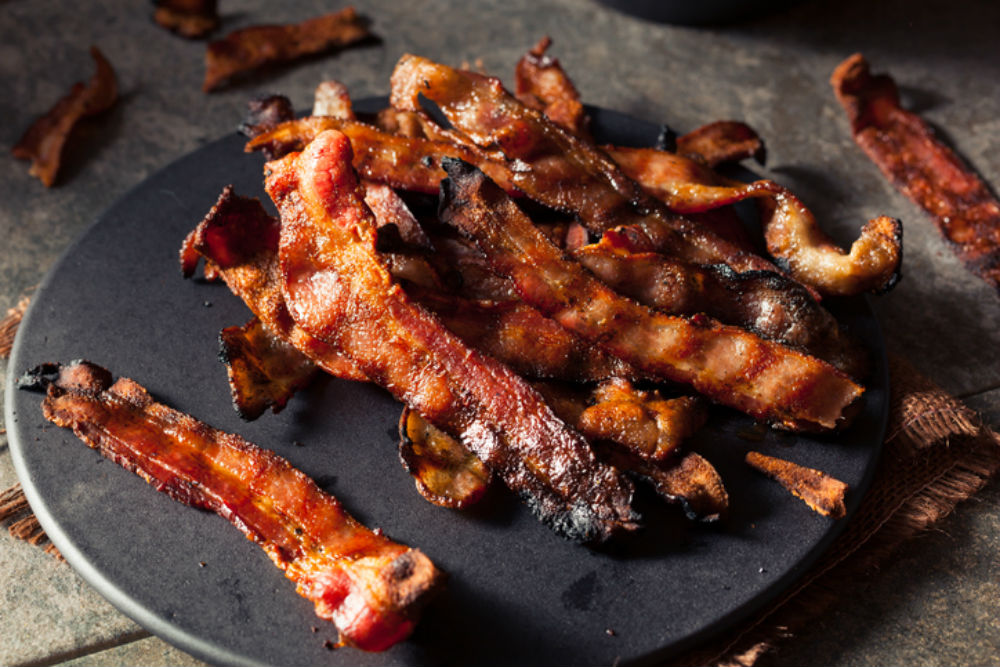
Enjoy your bacon! Give me mine, crispy!
Cheers,


2nd Tuesday Call - April 11th, 2017
Howdy Plan Z Dieters!
You’re a Plan Z Insider. That means you have direct access to Zola and the ZTeam whenever you need us. On top of that, every 2nd Tuesday of EVERY month you have a chance to listen to Zola “live”. Zola will bring you the newest dieting information, discussion of popular recipes coming out of ZKitchen and a whole lot more. Each month we interview a Plan Z Dieter so you can hear about their experience with Plan Z and you have a chance to participate by asking questions or commenting on your own Plan Z story. Register and tune in over the lunch hour.
Everything is growing, so let’s first talk about your nest egg growth.
- Wanna be a Millionaire? There are habits millionaires share. Maybe some of them apply to your current behaviors. Some of them you may want to adopt to add to your net worth potential.
A Favorite Treat
- No matter what time of year it is, brownies are a favorite treat in my household. I’ve come up with my first-ever, low carb brownie recipe. The tools, techniques and ingredients will all be part of this presentation.
The Interview!
- This month we are featuring our second interview with one of our on-air personalities from Pikeville, Kentucky. Let’s give it up for… Dave Stanford! Now down over 70 lbs… and BONUS… he’s keeping it off!
Hoppin’ Down the Bunny Trail
- I’m serving up ideas for Easter Eggs. OMG! There is NO shortage of new ideas for how to decorate the eggs in your Easter Baskets. And good news! Hard boiled eggs are good for you!