

Picking Potatoes
When you see the title of this article you might conjure up in your mind a vision of digging the tubers out of the ground.
And that would be incorrect.
Not many of us find ourselves picking potatoes out of the ground.
We choose our potatoes at the grocery store.
I call that picking potatoes.
Historically the “mother of all potatoes” is the russet. Those of us who adore potatoes can visualize (and practically taste in our heads) a baked russet potato cut open, fluffed up, dripping with butter and maybe even covered in shavings of grated cheddar cheese and sour cream. BIG YUM.
But did you know that innocent looking russet potato packs a whopping 67 grams of carbohydrates?
And who doesn’t eat the whole thing? They are hard to resist.
When I was a kid, my mother used to plop a whole baker on my plate. I cut it open and scooped out the flesh. I smashed the flesh with a fork and piled on the butter, salt and pepper. Then I would take the skins, stuff a pat of butter into each of those and when I polished off the potato flesh I’d attack the skins like they were dessert.
Now I know that potato was the equivalent of a dessert.
One piece of cheesecake equals 32 grams of carbs. The baked potato beats that big time at 67 grams!
One of the secrets I learned is to choose other potatoes at the grocery store.
There are other options for potatoes that might not be lower in carbs for a serving of 100 grams (about a half cup) but they are easier to eat in smaller portions, get the satisfaction and not have such a high spike of insulin that is produced from the russet or Idaho potato. And how you cook them matters too.
Potatoes can have a high glycemic index (GI) - a measurement of how quickly a food raises blood sugar—and are linked to weight gain. But Katelyn Castro, a dietetic intern at Tufts' Frances Stern Nutrition Center, says, "The type of potatoes and preparation methods have a big impact on its glycemic response. Recent studies have found that waxy potatoes, like fingerling and red potatoes, have a lower glycemic index than starchy potatoes, like Russet and Idaho potatoes. The cooking method also alters the glycemic index of a potato. Boiled and roasted potatoes have the lowest GI (both 59), while baked potatoes are higher (69) and mashed and instant potatoes have the highest GI (78 and 82, respectively)
So here are my choices these days for the potatoes I pick at the grocery store.
Fingerlings. You’ve seen those skinny, shorter potatoes that sort of look like pudgy fingers? They come in red, white and purple. I buy those and cut them into coin shapes. Then I boil them. Only takes about 10 minutes as opposed to over an hour for a baked potato. Then, ideally, I let them cool down. The cooler they get the lower the glycemic index (or blood sugar spike). If you can cook them in the morning (or even the night before) and refrigerate them all the better.
When I want to eat them, I smash them up with a fork and pile in butter, maybe sour cream or even whipping cream. I call these smashed potatoes.
Or my new favorite it to sauté them in a combo of half butter, half olive oil. They taste almost like little French fries (only better).
Anytime you eat potatoes, the healthiest thing you can do is add butter, cheese, sour cream or any fat. The fat slows down the digestion and therefore the glycemic index and glycemic uptake (the rate at which your sugar rises).
Baby C-sized potatoes are another good option. The younger the potato the fewer the carbs and the lower the glycemic index. Look for the red round ones that are about an inch across in size. This is an easy option too because you can cook them the same way I describe above and keep your portion small. Just stay under a half cup with either of these potatoes and your carb intake will range around 20 grams. That’s a lot better than 67!
And lastly, there’s a new option on the horizon. It’s called the Carisma potato.
The Carisma potato has 30% fewer carbs than average potatoes. And that’s a GAME CHANGER! Let’s hope these guys get national distribution soon. So far I haven’t been able to find them Rumor was Whole Foods carries them but I checked with two stores and the produce managers and they’ve never heard of them.
The Carisma potato was developed by a hobbyist gardener in the Netherlands (Holland). Then it made its way to New Zealand and Australia. Those countries are both WAY ahead of the United States in paying attention to carbs. In those countries, the TV commercials will even tell you how many carbs per serving their products have; even things like breakfast cereal! They really are smart people.
These days Carisma potatoes are grown in Canada so it’s not like they have to be shipped really far for us to get them. I haven’t heard they are grown in the US yet but I hope they are soon.
Keep an eye out for them and if you see them write and tell me!
Cheers,

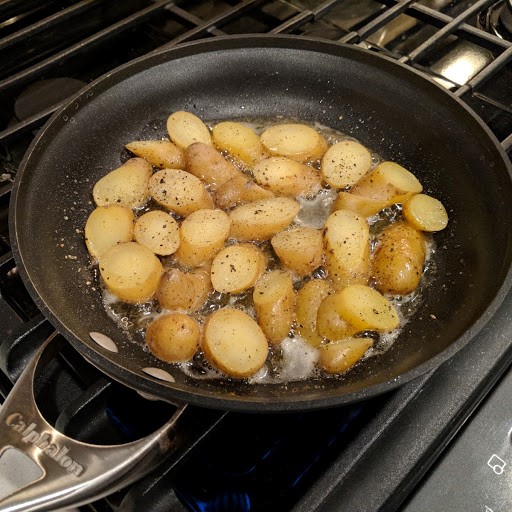
Fingerling Potatoes
Plan Z Phase: This is a Z3.5 (ZReboot 3.5) recipe.
Serving Size: Serves 4, serving size ½ cup
The smaller the potato the less glycemic uptake it produces. That means your blood sugar doesn’t shoot up as fast or as far. That said, all potatoes do have a significant amount of carbs. Most would come in about 16 grams of carbs for one cup. So, I don’t eat them often and I certainly don’t eat a lot in one sitting. So be careful with these.
Another point: Any fat you add to potatoes also keeps the glycemic uptake down. So, feel free to put on a dollop of sour cream. The butter is good and so is the oil.
There is a phenomenon called Resistant Starch. That slows down the glycemic effect of potatoes even more. Works with pasta too. You can make your potatoes a resistant starch by cooking them and then chilling them until they are FULLY chilled through. That usually means cook them the night before. Chill and then re-heat before you eat. All of these things help your body more efficiently digest potatoes without the bad side-effects of raised blood sugar and weight gain. Just don’t take it as an open invitation. I still do gain when I eat potatoes. They are a real downfall for me. Zola
Ingredients:
- Approximately 8 – 10 fingerling potatoes (those are the skinny, small ones that look like pudgy fingers).
- 2 Tbl of butter
- 1 Tbl of olive oil
Directions:
Wash your fingerlings and cut them into coin-shaped discs. Put in a saute pan with enough water to cover. Bring to a boil. Cook on a low boil for approximately 10 – 15 minutes or until a knife cuts through easily. Drain and set aside to sit. (This is the point where you’d let them cool down and put in the fridge if you are going to work toward resistant carb status).
When you want to finish the potatoes, get out a large saute pan and add the oil and butter. By using a combo of oil and butter you won’t brown the butter like you would if you used butter alone. This keeps a nicer flavor.
Add the coin slices and saute on medium until they are brown on each side. 5 – 10 minutes. You can flip them over as they cook so they get evenly browned. Dust with grated sea salt and maybe pepper and they are ready to serve.
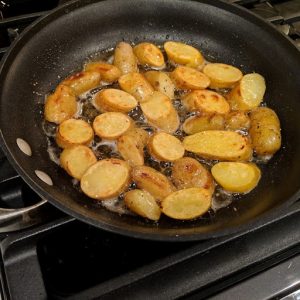
PS: Another piece of good news… when you eat leftover potatoes they have the benefit of being chilled at least overnight so the resistant starch comes into play.
Enjoy!
Cheers,
2nd Tuesday Call - February 13th, 2018
Here's what we covered:
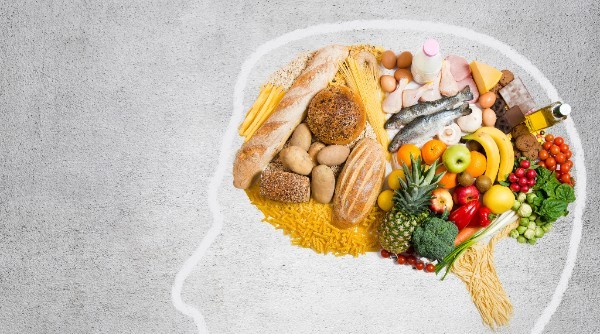
- Ever hear of a concept called Brain Medicine? In this 2nd Tuesday call session we are going to talk about how to keep your brain healthy. Some experts are now referring to Alzheimer's as Type 3 Diabetes. So diet is important to brain health, but there's more. Tune in to find out how you can keep your brain humming.
- Our VP of Anger Management interviews a very happy retiree. Patricia discusses what it's like to go to work and lose 50 pounds on the Plan Z Diet.
- Potatoes. If I ever have a dieting downfall it's potatoes. You too? I don't eat a lot of potatoes but if I am going to have a sizable portion I am careful now in choosing which ones I cook. And there is even a potato now that has 30% fewer carbs than most. I'll reveal the name of that potato so you can convince your grocer to carry it. And if you can't get that particular potato, I'll give you advice on which potatoes are your better choices.
- In honor of Valentine's Day I'm going to reveal some fun facts about your heart. Just something light "hearted". :)
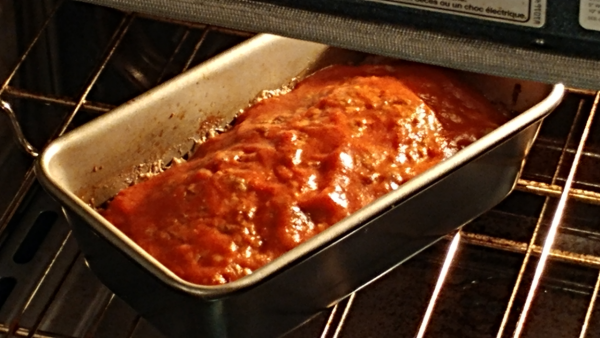
Barbecue Meatloaf
Plan Z Phase: This is a Z2 (ZReduction) Recipe.
Servings: Serves 6.
I’ve done a lot of meatloaf recipes. I guess I’m kinda into comfort food and they have been very popular.
I had a hankering for ribs. I ordered some as an appetizer at a restaurant and they just didn’t cut it. I could not get the craving out of my head, so I came up with the barbecued meatloaf recipe. Hope you love it.
Ingredients:
- 1.5 pounds of ground sirloin
- 1/3 cup of minced red onion (I mince red onion because it’s stronger in flavor)
- ½ cup of bread crumbs. I use panko. (remember not to eat a crunch factor cracker or breadstick with this meal. It’s included in the meatloaf)
- ½ tsp of ground pepper
- 2 Tbl of Worcestershire
- 1.5 tsp of ground mustard (or jar mustard will work)
- 1.5 tsp of chili powder (I use smoked)
- ¼ cup of barbecue sauce (Traditional Smoky Barbecue Sauce) or ¼ cup of tomato sauce can work but it will be less of a barbecue flavor when done
- 2 eggs
- 1/3 cup of Zola’s Traditional Smoky Barbecue Sauce
Directions:
Make the barbecue sauce first if you want to use it in the meatloaf. This barbecue sauce is so easy it’s basically a matter of putting the stuff in the pan and heating it so the flavors meld. You’ll have leftovers of the sauce so you can use it in something else or freeze portions in little containers and use them later.
Then proceed with making the meatloaf. Preheat oven to 375 degrees
Put all ingredients in a large bowl except the last 1/3 cup of sauce.
Mix it up. I use my hands and really get in there and mix it thoroughly. It will be sloppy but don’t worry. Just get the breadcrumbs well distributed.
Take out your 9 in X 5 in loaf pan. Plop the mixture in there and pat it to form a loaf. I press down a little more on the edges so it has a rim round it and is rounded on top.
Place in the oven and bake for 40 minutes. Then take it out of the oven and attempt to pour off the extra juices from around the meatloaf. Don’t be too picky about this. Just try to get the excess out.
Then take a spoon and spread the other 1/3 of the barbecue sauce on top. Put it back in the oven and bake for 10 minutes more.
Take it out and let it rest for a few minutes. Slice and serve. A lot of dieters cut this into portions and put the extras in the freezer for eating at other meals. If you have a family that likes barbecue don’t expect any leftovers.
Enjoy!
Cheers,
5 Big Weight Loss Lies
Once You Know the Truth, Losing Weight Gets a Lot Easier
Here's the thing. If you believe these five weight loss lies, you will have trouble losing weight. Zola believed them. She spent forty years and a small fortune doing everyone else's diets. Then, she learned the truth. What passes for common knowledge about weight loss can lead you down a long, frustrating road.
Weight Loss Lie #1: A calorie is a calorie. It doesn’t matter if I get my calories from carrots or candy bars.
"Nothing could be further from the truth," says Dr. Robert Lustig. "The food industry wants you to believe this because it works for them. If a calorie is a calorie, then why would you pick on any individual foodstuff?"
Processed foods are loaded with refined carbohydrates. Eating these foods spikes your insulin. Insulin is the fat-producing hormone. Science writer Gary Taubes tells us, "You don't lose fat because you cut calories; you lose fat because you cut out the foods that make you fat – the carbohydrates."
Plan Z Diet's ZR50 Crave Control spray helps you cut out the foods you crave. You start losing weight right away.
Weight Loss Lie #2: If I eat low-fat foods, I’ll lose weight.
Sorry, it doesn't work that way. Healthy fats satisfy your hunger, fast. You stop eating sooner and stay full longer. Products labeled Slim, Diet, Healthy, Fat-Free, Lite and Low Fat seem like perfect diet foods. However, when food processors remove fat, they replace it with salt, sugar and artificial flavors, because fat equals flavor.
Want to lose weight and gain health? Michael Pollan writes, "If it's made from a plant, eat it. If it's made in a plant, don't eat it." The Plan Z Diet is a real food diet. You shop around the perimeter of the grocery store. That's why our average dieter loses 31 pounds in 50 days. Eating real food instead of diet food is what works.
"Most weight loss diets center around portion control, which is just trying to eat smaller amounts of the same addictive foods. This approach inevitably fails," advises Dr. Joel Fuhrman.
Weight Loss Lie #3: Drinking diet sodas will help me lose weight.
Starting to see a trend here? Carbonated water and chemicals aren't the answer either. Dr. Joseph Mercola warns, “Artificial sweeteners trick your body into thinking that it’s going to receive sugar (calories). When the sugar doesn’t come, your body continues to signal that it needs more. This results in more carbohydrate cravings."
Drinking diet sodas and still need to lose weight? That's because you're drinking diet sodas. Control the Crave and the weight loss starts. Zola's ZR50 Crave Control Spray reduces the discomforts of dieting.
Weight Loss Lie #4: It’s dangerous to lose more than 1 or 2 pounds a week.
Well, whatever makes you fat is going to make you sick. So being overweight is what's dangerous. Conventional diets tout the one to two-pound number, because when you eat their low calorie, low-fat foods, losing 1 or 2 pounds is about all you can expect. Then, your metabolism slows and you lose even less. This leaves you hungry and cranky.
When this happened to Zola, they blamed her and said she was cheating.
Think about this: The Diet Industry is the Big Food Industry. Kraft makes South Beach Living food. Heinz processes Weight Watchers foods. Unilever makes Slim Fast. They make the addictive processed foods that made you fat. Their diet foods keep you fat no matter how many you buy.
Weight Loss Lie #5: If I exercise I’ll lose more weight, faster.
Not so fast. You can’t outrun a bad diet. Every health club owner and orthopedic surgeon wants you to believe exercise is the answer. Dr. Andrew Weil knows better. "Excess exercise tends to be counterbalanced by excess hunger, exemplified by the phrase 'working up an appetite.'" A few people with extraordinary willpower can resist such hunger day after day, but for the vast majority, weight loss through exercise is a flawed option."
Other diets suggest you exercise to hedge their bets. If the diet doesn't work, then you didn't exercise right. That's so wrong.
The Plan Z Diet has a "no exercise rule." Walk the dog if you want to. Then, relax and let the excess fat melt away.
Watch the video. It's the fastest way to learn about the Plan Z Diet.

Chicken Chili – Caribbean-Style
Plan Z Phase: This is a Z2 (ZReduction) recipe.
This is a really fun chili. I love making a “white chili” on occasion but most recipes are chock full of navy beans. This one has no beans and packs a flavor punch! Add the spinach for some extra vitamins and color.
Servings: Serves 4 – 6 (Portion on Z2 is 1-1/2 cups)
Ingredients:
- 1-1/2 pounds of chicken breasts, no skin
- 1 onion, chopped
- 1 red bell pepper, chopped
- 1 orange bell pepper, chopped
- 3 cloves of garlic, minced (jar garlic will work)
- 2 tsp of ground cumin
- 1 tsp of dried thyme
- 1 tsp of dried oregano
- 1 tsp of ground allspice
- ½ tsp of ground cinnamon
- ½ tsp of ground nutmeg
- ½ tsp of cayenne (or to taste)
- ½ tsp of grated sea salt
- 2 limes, juiced
- ¼ tsp of ground cloves
- 1 4 oz can of diced green chilies
- 32 oz of organic chicken broth (or more, to taste)
- Baby spinach, finely chopped
Instructions:
First up, poach your chicken. I do this by putting the chicken in a pan, cover it in water and then I bring it to a boil. Boil 15 minutes or until no pink remains. Then I take the breasts out to cool.
While the chicken is cooking and cooling you can make your soup. In a soup pan, add the onion and toss it around. Just loosen it up. Then add the bell peppers with about ¼ cup of the broth so nothing sticks to the pan. Add all of the spices and then the rest of the chicken broth and lime juice.
Add the chicken when you have it all torn apart. Let the whole mess cook for about 15 – 20 minutes to meld the flavors.
When you go to serve it add a small handful of baby spinach to each bowl and stir in. It will wilt immediately. It will add extra vitamins and color to the dish.
You can always add more heat to the chili with hot sauce or cayenne. As it is, this is a fairly spicy dish.
Enjoy!
Cheers,
2nd Tuesday Call - January 9th, 2018
Here's what we covered:
Happy New Year!
- To start off on a lighter note let’s see what Ellen DeGeneres thinks of New Year’s Resolutions!
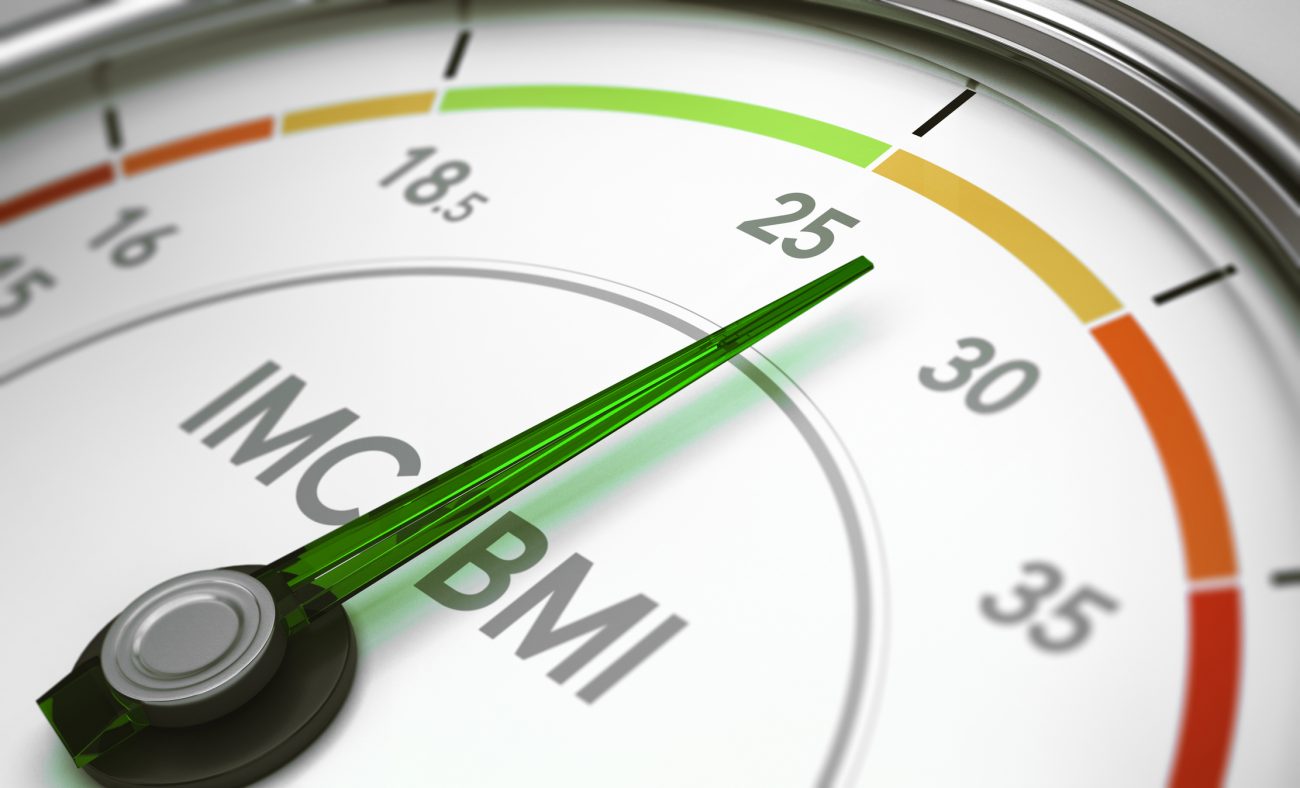
Now let’s get serious and talk about an interesting way to look at obesity besides the Body Mass Index (BMI).
- Most of us are rated by our doctors with a BMI chart but it’s not really the most accurate way to get a handle on where we stand weight-wise, and whether we will be prone to things like stroke or heart attacks. The waist-to-height ratio is a much better measure and it’s much easier to calculate and understand.
Chris interviews dieter Ken from Nashville.
- Chris has been saving this one to start off the new year. Listen in!
And… an idea for your Super Bowl party that is a BIG HIT and makes your job super simple.
- I’ll lay out the details. Get ready to celebrate the Big Game.
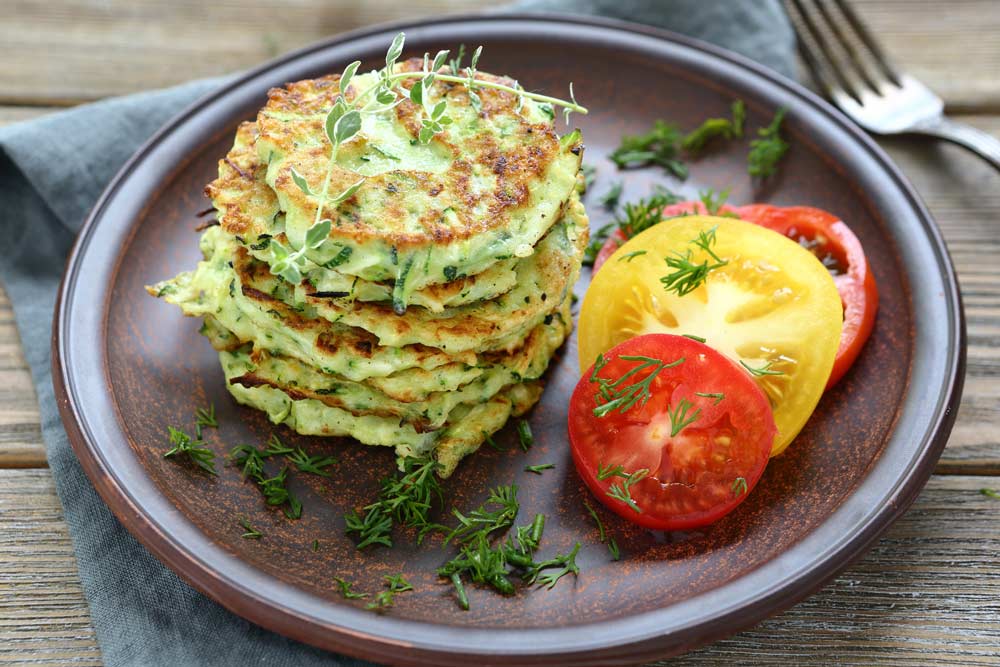
Zucchini Fritters (or Pancakes)
Plan Z Phase: This is a Z3 (ZReboot) recipe.
Servings: Serves 3 – 4. Can be doubled easily. Makes about 8 pancakes.
Ingredients:
- 1-1/2 pounds of fresh zucchini. Approx 3, 8” zucchini should do it.
- 1 tsp of grated sea salt
- ¼ cup of coconut flour (order online or buy in some health stores)
- ¼ cup of grated parmesan cheese
- 1 large egg, beaten
- 1 tsp of garlic powder
- grated sea salt and pepper to taste
- 2 Tbl of ghee (or butter)
- 2 Tbl of olive oil
- sauces (optional, see below for ideas)
Instructions:
Cut each end off the zucchini and toss. Grate the zucchini with your tower grater on the largest setting (you can do this in a food processor, too). Toss the zucchini in a bowl with the salt and then transfer to a colander. Set the colander above the bowl and let the zucchini drain for about 15 minutes.
In a smaller bowl, beat the egg and then add the flour, cheese, and garlic powder. Add the salt and pepper. Begin mashing and mixing the mass with a fork to fully blend. It will be gloppy.
Add this mixture to the zucchini and gently toss and squish the mixture into the zucchini so it gets fairly well blended. You’ll see some globs but the idea is to keep that to a minimum.
Heat the ghee and the olive oil in a large saute pan until HOT. To check when it’s ready you’ll flick a little bit of water from your fingers into the pan. If it spits back at you, it’s ready to fry the zucchini pancakes.
I used a small ice cream scoop to life the batter from the bowl and gently lay it in the oil. Then I used the back of a measuring cup to press it down. You could do this with a spatula too. In my pan, I could fry 4 at a time.
Fry on the first side on medium for 3 minutes or until brown. Gently take your spatula and flip them over. Fry about 2 more minutes on the other side. Then gently take out and put on a plate and cover to keep warm.
Fry the others. If there is not enough oil/ghee, just add a bit more.
When they are all fried they are ready to serve hot. They are also good room temp.
Some people like sauce. My husband mixed 2 parts mustard with one part mayo to make a dijonnaise.
I used a dollop of plain sour cream on mine. You could also use a favorite creamy dressing. Ranch is a good one. Your choice.
Enjoy!
Cheers,

Dr Kaayla Daniel Talks About the Dangers of Soy
Dr. Kaayla Daniel is the author of The Whole Soy Story: The Dark Side of America's Favorite Health Food. On ABC's View from the Bay she talks about the health risks of modern soy products, explains how soy does NOT prevent cancer and heart disease, advocates real foods . . . AND attracts attention with her red hot Bruno Magli shoes.
5 Big Weight Loss Lies
Once You Know the Truth, Losing Weight Gets a Lot Easier
Here's the thing. If you believe these five weight loss lies, you will have trouble losing weight. Zola believed them. She spent forty years and a small fortune doing everyone else's diets. Then, she learned the truth. What passes for common knowledge about weight loss can lead you down a long, frustrating road.
Weight Loss Lie #1: A calorie is a calorie. It doesn’t matter if I get my calories from carrots or candy bars.
"Nothing could be further from the truth," says Dr. Robert Lustig. "The food industry wants you to believe this because it works for them. If a calorie is a calorie, then why would you pick on any individual foodstuff?"
Processed foods are loaded with refined carbohydrates. Eating these foods spikes your insulin. Insulin is the fat-producing hormone. Science writer Gary Taubes tells us, "You don't lose fat because you cut calories; you lose fat because you cut out the foods that make you fat – the carbohydrates."
Plan Z Diet's ZR50 Crave Control spray helps you cut out the foods you crave. You start losing weight right away.
Weight Loss Lie #2: If I eat low-fat foods, I’ll lose weight.
Sorry, it doesn't work that way. Healthy fats satisfy your hunger, fast. You stop eating sooner and stay full longer. Products labeled Slim, Diet, Healthy, Fat-Free, Lite and Low Fat seem like perfect diet foods. However, when food processors remove fat, they replace it with salt, sugar and artificial flavors, because fat equals flavor.
Want to lose weight and gain health? Michael Pollan writes, "If it's made from a plant, eat it. If it's made in a plant, don't eat it." The Plan Z Diet is a real food diet. You shop around the perimeter of the grocery store. That's why our average dieter loses 31 pounds in 50 days. Eating real food instead of diet food is what works.
"Most weight loss diets center around portion control, which is just trying to eat smaller amounts of the same addictive foods. This approach inevitably fails," advises Dr. Joel Fuhrman.
Weight Loss Lie #3: Drinking diet sodas will help me lose weight.
Starting to see a trend here? Carbonated water and chemicals aren't the answer either. Dr. Joseph Mercola warns, “Artificial sweeteners trick your body into thinking that it’s going to receive sugar (calories). When the sugar doesn’t come, your body continues to signal that it needs more. This results in more carbohydrate cravings."
Drinking diet sodas and still need to lose weight? That's because you're drinking diet sodas. Control the Crave and the weight loss starts. Zola's ZR50 Crave Control Spray reduces the discomforts of dieting.
Weight Loss Lie #4: It’s dangerous to lose more than 1 or 2 pounds a week.
Well, whatever makes you fat is going to make you sick. So being overweight is what's dangerous. Conventional diets tout the one to two-pound number, because when you eat their low calorie, low-fat foods, losing 1 or 2 pounds is about all you can expect. Then, your metabolism slows and you lose even less. This leaves you hungry and cranky.
When this happened to Zola, they blamed her and said she was cheating.
Think about this: The Diet Industry is the Big Food Industry. Kraft makes South Beach Living food. Heinz processes Weight Watchers foods. Unilever makes Slim Fast. They make the addictive processed foods that made you fat. Their diet foods keep you fat no matter how many you buy.
Weight Loss Lie #5: If I exercise I’ll lose more weight, faster.
Not so fast. You can’t outrun a bad diet. Every health club owner and orthopedic surgeon wants you to believe exercise is the answer. Dr. Andrew Weil knows better. "Excess exercise tends to be counterbalanced by excess hunger, exemplified by the phrase 'working up an appetite.'" A few people with extraordinary willpower can resist such hunger day after day, but for the vast majority, weight loss through exercise is a flawed option."
Other diets suggest you exercise to hedge their bets. If the diet doesn't work, then you didn't exercise right. That's so wrong.
The Plan Z Diet has a "no exercise rule." Walk the dog if you want to. Then, relax and let the excess fat melt away.
Watch the video. It's the fastest way to learn about the Plan Z Diet.
The Smell of Christmas
When I think of the smell of Christmas I think cinnamon. Others think of the smell of pine and fresh Christmas trees, but for me, it’s cinnamon.
I was having a challenge this year getting into the Christmas spirit. The only snow Chicago has seen so far this season happened when I was out of town and was melted before I returned. I love a good snowstorm.
The temperature has been hovering almost 20 degrees above normal. I didn’t even need gloves to put up the outdoor decorations. I finally put up our indoor Christmas tree, about 2 weeks later than normal. I am leaving most of the Christmas decorations in storage. We are not doing any big parties this year so why do all that decorating for just the two of us? I’m calling my decorating this year “Essence of Christmas.” I’m not going all out.
Don’t worry. I’m not going all Grinch.
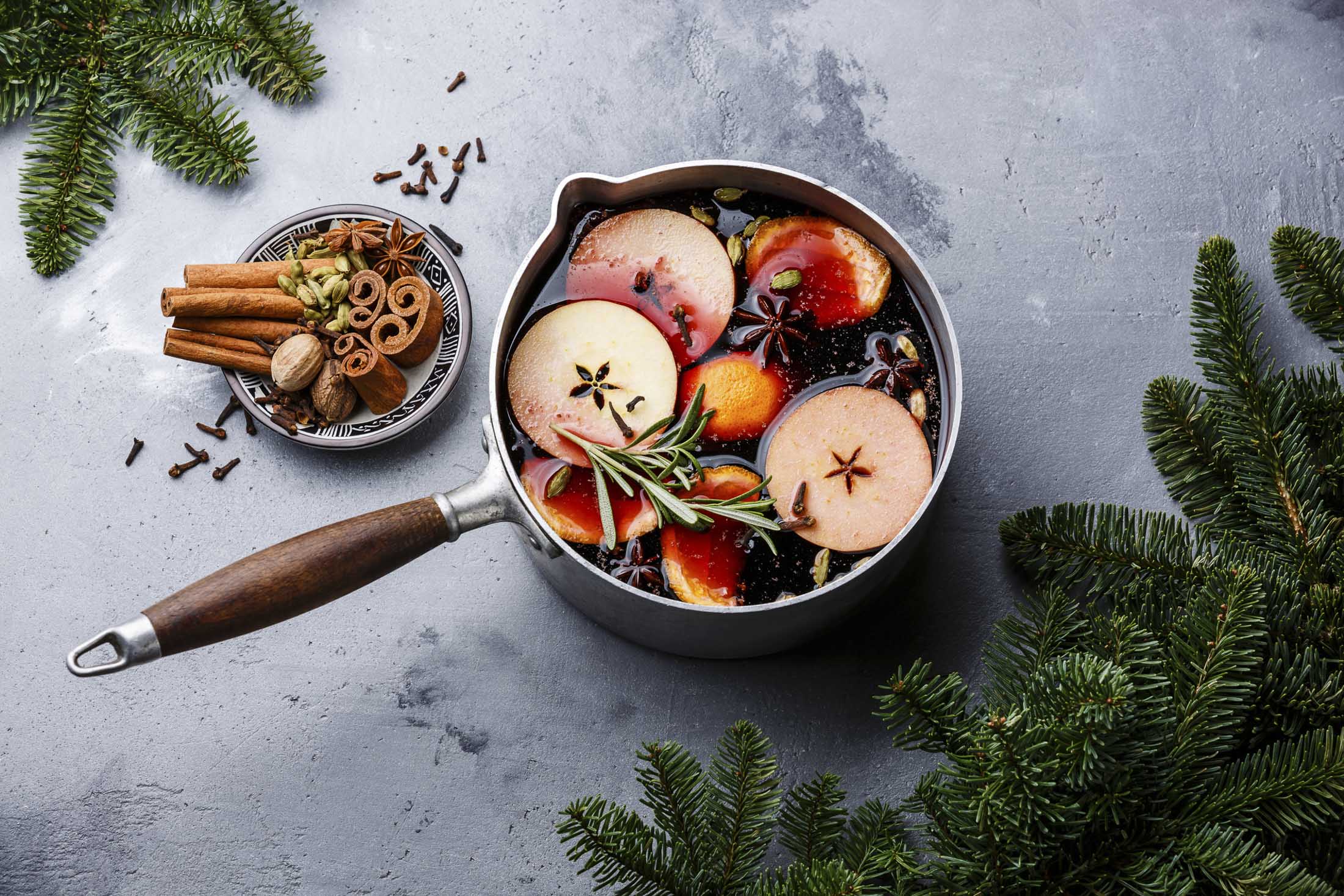
I think this is one of those years my mother talked about. It feels like I just did Christmas. It has come back around too fast for me this year. So I got out my saucepan.
I knew I needed a Christmas jolt so I headed for my kitchen.
First thing I did was put two cups of water in the pan and 3 cinnamon sticks. Then I rooted around my cupboard for other things that evoke Christmas. I’m calling it “Holiday Aromatherapy.”
Heat the water with the cinnamon sticks and then toss in a few other things that remind you of the holidays. Things that smell, to you, like a fresh Christmas and come from your cupboard.
Options include:
- A tsp of dried orange or lemon peel
- Or use fresh peels
- ½ tsp of ground cloves or a tsp of nutmeg
- Maybe a bay leaf
- Or a couple of pieces of star anise
Toss in whatever brings the smell of Christmas into your nose. Don’t overdo it. Just three or 4 of these elements will do it. Heat to a boil and then let it bubble for a while. Turn off and the smell of Christmas will fill your kitchen and beyond.
Worked for me!
Enjoy!
Cheers,

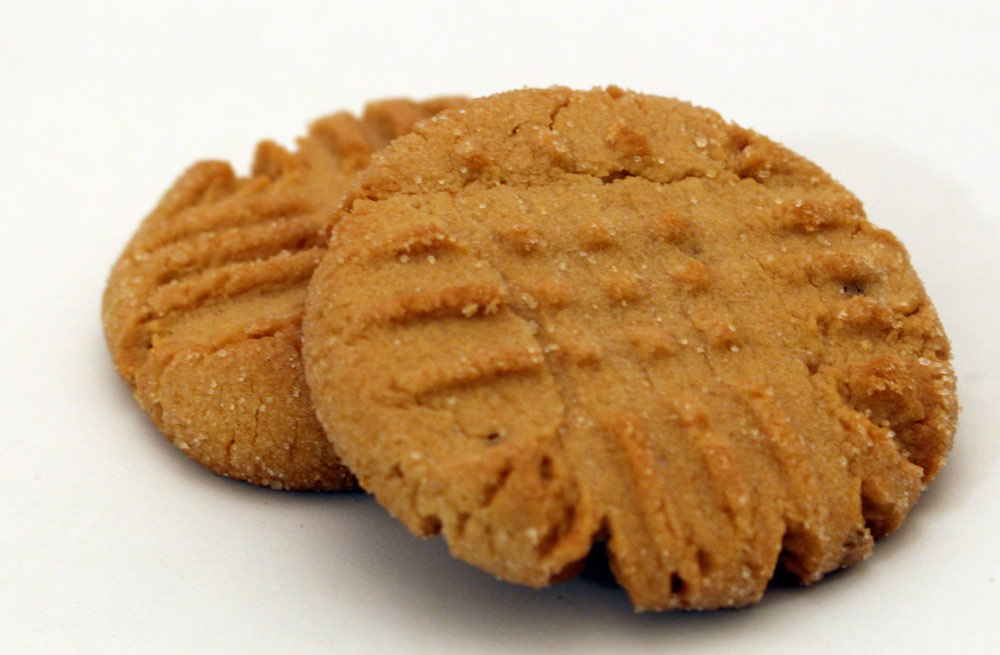
3 Ingredient Peanut Butter Cookies
These cookies are SOOOO good. And no flour!

2nd Tuesday Call - December 12th, 2017
Here's what's on the agenda:
We all do a lot of celebrating from now through New Year's
- Parties... family events... work celebrations, and of course New Year's Eve. All of those things involve a lot of food and drink. Your liver gets a workout and can even become strained. Most overweight people have a sluggish and/or fatty liver to start with. All this partying can make it worse. So let's tune in to Dr. Mark Hyman and find out ways to repair our livers.
Cookies for Christmas!
- The family tradition of baking Christmas or Holiday cookies goes back centuries. This year I'll introduce you to some healthy cookies you can bake and serve without guilt. They are popular cookies you might even already enjoy, but this time you're going to change up the ingredients list just a bit to make them healthy. I promise they will still bring you joy.
Interview with Dieter Vicki
- Our VP of Anger Management interviews Dieter Vicki of Owensboro, KY. She's getting stopped on the street by people who are amazed by her amazing results.
Things Chefs Don't Order in Restaurants
- We all go out over the holidays to eat in restaurants. We will feature an interesting list of things that Chefs don't order in restaurants. These pros are the experts and they share why there are things they don't order when they eat out... and why. This way you'll be able to order and be best assured of a fine-tasting meal.
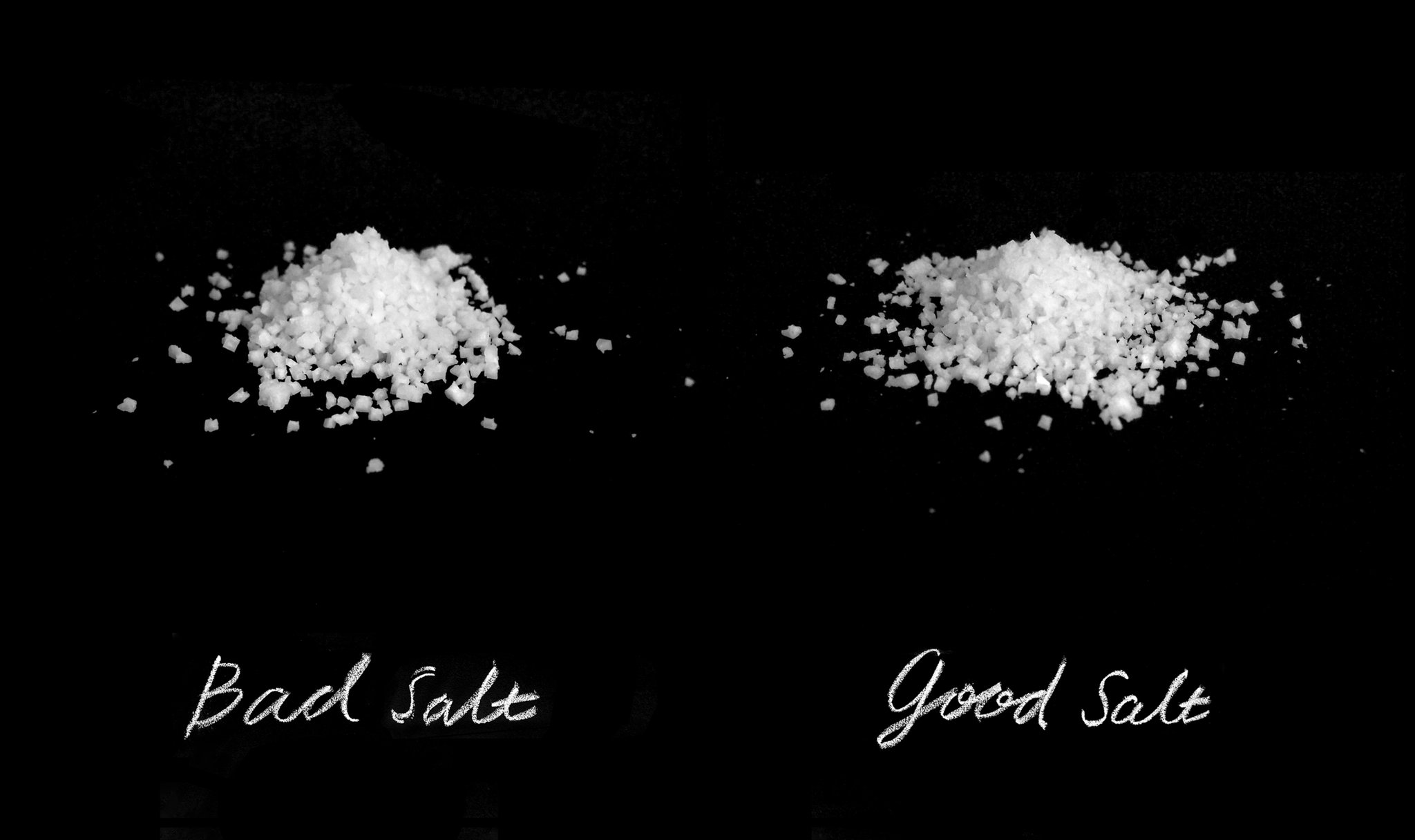
Salt, We Misjudged You
By GARY TAUBES JUNE 2, 2012
Oakland, Calif.
The first time I questioned the conventional wisdom on the nature of a healthy diet, I was in my salad days, almost 40 years ago, and the subject was salt. Researchers were claiming that salt supplementation was unnecessary after strenuous exercise, and this advice was being passed on by health reporters. All I knew was that I had played high school football in suburban Maryland, sweating profusely through double sessions in the swamplike 90-degree days of August. Without salt pills, I couldn’t make it through a two-hour practice; I couldn’t walk
across the parking lot afterward without cramping.
While sports nutritionists have since come around to recommend that we should indeed replenish salt when we sweat it out in physical activity, the message that we should avoid salt at all other times remains strong. Salt consumption is said to raise blood pressure, cause hypertension and increase the risk of premature death. This is why the Department of Agriculture’s dietary guidelines still consider salt
Public Enemy No. 1, coming before fats, sugars and alcohol. It’s why the director of the Centers for Disease Control and Prevention has suggested that reducing salt consumption is as critical to long-term health as quitting cigarettes.
And yet, this eat-less-salt argument has been surprisingly controversial — and difficult to defend. Not because the food industry opposes it, but because the actual evidence to support it has always been so weak.
When I spent the better part of a year researching the state of the salt science back in 1998 — already a quarter century into the eat-less-salt recommendations — journal editors and public health administrators were still remarkably candid in their assessment of how flimsy the evidence was implicating salt as the cause of hypertension.
“You can say without any shadow of a doubt,” as I was told then by Drummond Rennie, an editor for The Journal of the American Medical Association, that the authorities pushing the eat-less-salt message had “made a commitment to salt education that goes way beyond the scientific facts.”
While, back then, the evidence merely failed to demonstrate that salt was harmful, the evidence from studies published over the past two years actually suggests that restricting how much salt we eat can increase our likelihood of dying prematurely. Put simply, the possibility has been raised that if we were to eat as little salt as the U.S.D.A. and the C.D.C. recommend, we’d be harming rather than helping ourselves.
WHY have we been told that salt is so deadly? Well, the advice has always sounded reasonable. It has what nutritionists like to call “biological plausibility.” Eat more salt and your body retains water to maintain a stable concentration of sodium in your blood. This is why eating salty food tends to make us thirsty: we drink more; we retain water. The result can be a temporary increase in blood pressure, which will
persist until our kidneys eliminate both salt and water.
The scientific question is whether this temporary phenomenon translates to chronic problems: if we eat too much salt for years, does it raise our blood pressure, cause hypertension, then strokes, and then kill us prematurely? It makes sense, but it’s only a hypothesis. The reason scientists do experiments is to find out if hypotheses are true.
In 1972, when the National Institutes of Health introduced the National High Blood Pressure Education Program to help prevent hypertension, no meaningful experiments had yet been done. The best evidence on the connection between salt and hypertension came from two pieces of research. One was the observation that populations that ate little salt had virtually no hypertension. But those populations
didn’t eat a lot of things — sugar, for instance — and any one of those could have been the causal factor. The second was a strain of “salt-sensitive” rats that reliably developed hypertension on a high-salt diet. The catch was that “high salt” to these rats was 60 times more than what the average American consumes.
Still, the program was founded to help prevent hypertension, and prevention programs require preventive measures to recommend. Eating less salt seemed to be the only available option at the time, short of losing weight. Although researchers quietly acknowledged that the data were “inconclusive and contradictory” or “inconsistent and contradictory” — two quotes from the cardiologist Jeremiah Stamler, a leading proponent of the eat-less-salt campaign, in 1967 and 1981 — publicly, the link between salt and blood pressure was upgraded from hypothesis to fact.
In the years since, the N.I.H. has spent enormous sums of money on studies to test the hypothesis, and those studies have singularly failed to make the evidence any more conclusive. Instead, the organizations advocating salt restriction today — the U.S.D.A., the Institute of Medicine, the C.D.C. and the N.I.H. — all essentially rely on the results from a 30-day trial of salt, the 2001 DASH-Sodium study. It suggested that eating significantly less salt would modestly lower blood pressure; it said nothing about whether this would reduce hypertension, prevent heart disease or lengthen life.
While influential, that trial was just one of many. When researchers have looked at all the relevant trials and tried to make sense of them, they’ve continued to support Dr. Stamler’s “inconsistent and contradictory” assessment. Last year, two such “meta-analyses” were published by the Cochrane Collaboration, an international nonprofit organization founded to conduct unbiased reviews of medical evidence. The first of the two reviews concluded that cutting back “the amount of salt eaten reduces blood pressure, but there is insufficient evidence to confirm the predicted reductions in people dying prematurely or suffering cardiovascular disease.” The second concluded that “we do not know if low salt diets improve or worsen health outcomes.”
The idea that eating less salt can worsen health outcomes may sound bizarre, but it also has biological plausibility and is celebrating its 40th anniversary this year, too. A 1972 paper in The New England Journal of Medicine reported that the less salt people ate, the higher their levels of a substance secreted by the kidneys, called renin, which set off a physiological cascade of events that seemed to end with an increased risk of heart disease. In this scenario: eat less salt, secrete more renin, get heart disease, die prematurely.
With nearly everyone focused on the supposed benefits of salt restriction, little research was done to look at the potential dangers. But four years ago, Italian researchers began publishing the results from a series of clinical trials, all of which reported that, among patients with heart failure, reducing salt consumption increased the risk of death.
Those trials have been followed by a slew of studies suggesting that reducing sodium to anything like what government policy refers to as a “safe upper limit” is likely to do more harm than good. These covered some 100,000 people in more than 30 countries and showed that salt consumption is remarkably stable among populations over time. In the United States, for instance, it has remained constant for the last 50 years, despite 40 years of the eat-less-salt message. The average salt intake in these populations — what could be called the normal salt intake — was one and a half teaspoons a day, almost 50 percent above what federal agencies consider a safe upper limit for healthy Americans under 50, and more than double what the policy advises for those who aren’t so young or healthy. This consistency, between populations and over time, suggests that how much salt we eat is determined by physiological demands, not diet choices.
One could still argue that all these people should reduce their salt intake to prevent hypertension, except for the fact that four of these studies — involving Type 1 diabetics, Type 2 diabetics, healthy Europeans and patients with chronic heart failure — reported that the people eating salt at the lower limit of normal were more likely to have heart disease than those eating smack in the middle of the normal range. Effectively what the 1972 paper would have predicted.
Proponents of the eat-less-salt campaign tend to deal with this contradictory evidence by implying that anyone raising it is a shill for the food industry and doesn’t care about saving lives. An N.I.H. administrator told me back in 1998 that to publicly question the science on salt was to play into the hands of the industry. “As long as there are things in the media that say the salt controversy continues,” he said, “they win.”
When several agencies, including the Department of Agriculture and the Food and Drug Administration, held a hearing last November to discuss how to go about getting Americans to eat less salt (as opposed to whether or not we should eat less salt), these proponents argued that the latest reports suggesting damage from lower-salt diets should simply be ignored. Lawrence Appel, an epidemiologist and a co-author of the DASH-Sodium trial, said “there is nothing really new.” According to the cardiologist Graham MacGregor, who has been promoting low-salt diets since the 1980s, the studies were no more than “a minor irritation that causes us a bit of aggravation.”
This attitude that studies that go against prevailing beliefs should be ignored on the basis that, well, they go against prevailing beliefs, has been the norm for the antisalt campaign for decades. Maybe now the prevailing beliefs should be changed. The British scientist and educator Thomas Huxley, known as Darwin’s bulldog for his advocacy of evolution, may have put it best back in 1860. “My business,” he wrote, “is to teach my aspirations to conform themselves to fact, not to try and make facts harmonize with my aspirations.”
Written by Gary Taubes, A Robert Wood Johnson Foundation Independent Investigator in Health Policy Research and the author of “Why We Get Fat.”
2nd Tuesday Call - November 14th, 2017
Howdy Plan Z Dieters!
You’re a Plan Z Insider. That means you have direct access to Zola and the ZTeam whenever you need us. On top of that, every 2nd Tuesday of EVERY month you have a chance to listen to Zola “live”. Zola will bring you the newest dieting information, discussion of popular recipes coming out of ZKitchen and a whole lot more. Each month we interview a Plan Z Dieter so you can hear about their experience with Plan Z and you have a chance to participate by asking questions or commenting on your own Plan Z story. Register and tune in over the lunch hour.
Here’s what’s on the agenda:
How To Cheat and Get Away With It!
- Lots of folks are starting their diet this year BEFORE the holidays and some are even starting now, which means they will be in ZReduction on Thanksgiving. So I said I’d come up with some ways you could drift from the strict rules of Plan Z dieting; just for that one day. I’ve come up with some strategies that will help you feel like you’re part of the fun without going off the deep end and face planting in the stuffing.
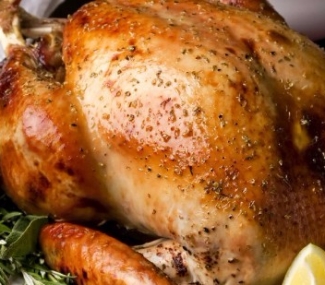
Super Simple Turkey
- Being in charge of cooking the turkey is intimidating to so many. I’ve come with a new, super simple turkey recipe even the novice cook can execute without the stress!
Interview with Dieter Deana
- Deana dropped from almost 180# to 133! And her muffin top is totally gone! Wait till you see the pictures of her rocking her jeans!
5 Ingredients or Less. Even a Fool Can Cook Like a Gourmet!
- I used to have a full section of my old website dedicated to 5 ingredient recipes. I’m going to bring some of those back to life and even add some more! Most of these recipes are things you can add to your celebration menus!
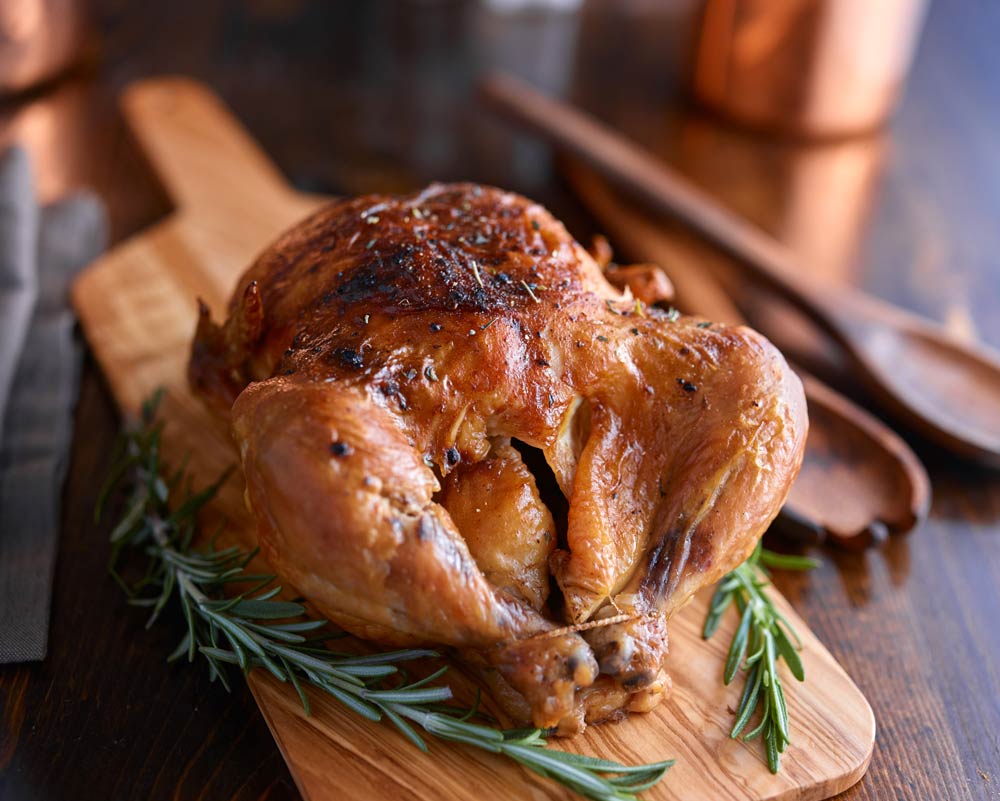
Can You Save Money By Eating Out?
It seems logical to think that stopping somewhere on the way home and buying a pre-prepared dinner would be more expensive than making it at home. But by how much? And does it save you time?
I got a bug in my ear on this subject and decided to do a little research.
I went to the Boston Market website to make my comparison. Now, I’m not picking on Boston Market. They seem to have decent food offerings. They also have over 500 locations and over 14,000 employees, so they have to be doing some things right. I am using them for my comparison thinking many of you are familiar with the company.
I wanted to compare chicken dinner offerings. On the front page of their menu they feature a chicken dinner that includes a large piece of chicken including dark and white meat, some red skinned potatoes, a serving of green beans and a piece of cornbread. A pretty normal dinner.
So what does it cost for a family of four to buy this dinner at Boston Market? If you buy the “package deal” you get it for $37.37. If you were to buy it individually (so maybe not everyone would eat the same thing) it comes in at $10.92 per person or $43.68 for dinner for four.
My next stop was my grocery store. I live in Chicago, so it stands to reason that maybe the food here is a bit more expensive than where you live. So let’s factor that into the equation. I priced out four options for my chicken. In the deli they have the pre-prepared rotisserie chickens. They are $6.98 each. They are sort of small, so to feed four I’d probably buy two. If you go to the fresh chicken section, a 6 lb chicken will run you $14.00. That will definitely feed four. And if you buy your chicken cut up, enough to feed four will run you $11.
Let’s go to produce. 1 lb of green beans will run $1.75. That’s plenty. If you choose frozen beans they will run you $2.
The red potatoes are 75 cents a pound. If you buy 3 pounds you’ll feed 4 hungry people and might even have some left over.
With the cornbread I got lazy, so I found one in the bakery that was $4.50. You’ll get six sizable pieces from that choice, so a couple of pieces will be left over.
The most expensive options here add up to $22.50. So buying it and taking it home is about 60% more expensive. That’s a lot. But you might be saying… but I’ll save time!
Let’s look at that a bit more. Let’s guess on some of the time elements involved.
Unless you drive by Boston Market on your way home, you’ll likely have to detour to get there. So let’s put in 10 minutes for that.
You’ll likely have to wait in line if you’re buying it on the way home after work. I have driven by Boston Market on more than one occasion and looked into see maybe 10 people waiting to get food. Let’s give it the benefit of the doubt and add 15 more minutes to get your food; with the consideration that you knew exactly what you wanted when you got there and didn’t have to ponder the ribs, the turkey, and all the other options they offer.
You’ve got your food and now have to drive home. Maybe your commute is 20 minutes so you might decide you need to reheat the food upon your arrival. So let’s put in 15 minutes for reheating. Now you are ready to serve.
This all conveniently adds up to 60 minutes. You got dinner and got it on the table in an hour.
What time would it take to make the dinner at home?
Well, you still have to drive home and you might even need to stop at the store to pick up the food. So let’s leave in 20 minutes for commute and 15 minutes in the grocery store to pick up the items needed.
Now, you’re home. You turn on the oven to preheat it. Open your chicken and put it in the pan. Good news is you can flavor it any way you want. You could sprinkle on your favorite meat rub, or dust a bit of Italian seasoning over the top or just salt and pepper. Spray olive oil spray on top and that’s ready to hit the oven. If I am in a hurry, I’d choose the cut up chicken because that will cut cooking time by a lot. If you chose all chicken breast pieces off the bone, they only need about 20 minutes to cook at 400 degrees.
The potatoes need to be rinsed off, cut up and put in a pan of boiling water. Once the water is boiling they don’t take long to cook. Maybe 12-14 minutes. You could also roast them but that would take about 30 minutes. I chose boil only because that’s how they were cooked in the Boston Market menu picture.
And the beans. You can boil those too or put them in the oven with the chicken and roast them for 15 minutes and they will be done.
I realize I’m a seasoned cook and I might work a little faster than some, but in my mind, this whole dinner takes me about 15 minutes to prep and about 30 minutes max to cook it. I’m topping out at 45 minutes and I can customize the meal more than eating something that was cooked hours ago and just reheated.
I could season the chicken as I pointed out earlier. I can roast my potatoes or put seasoning and butter on my potatoes. I could doctor up the green beans. Maybe sprinkle some soy sauce on them or toss in some pine nuts and a dusting of parmesan at the end. Yes, those are things I’d have to have on hand or buy them, but in my book it’s always going to taste better if you made it fresh. On top of that, you’d have time to heat and add a pat of butter to your piece of cornbread. Yum.
So, I have saved a little bit of time and a whole lot of money.
Done deal for me. How about you?
Cheers,
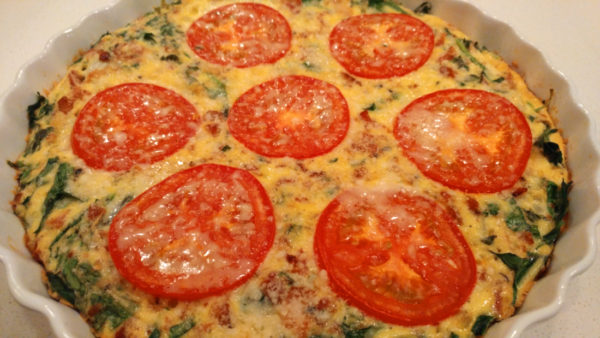
Bacon and Veggie Quiche
Plan Z Phase: This is a Z2 (ZReduction) recipe
This a great, crustless quiche that can be eaten as a lunch or light dinner with Plan Z. It makes six servings, so you can take it to work and reheat it or some people like cold quiche.
Mix up the veggies. I did onions, spinach, and asparagus but you can also do bell peppers or other approved veggies. On ZReduction you are allowed one piece of bacon so this dish works because it’s spread across six portions. You can also add other seasonings. If you put in a bit of cayenne it will be a bit spicier or you could add ½ tsp of Italian seasoning or other options you enjoy. Even a meat rub works.
Servings: Serves 6
Ingredients:
- 5 pieces of bacon (find one with no sugar and no nitrates or nitrites if you can), cooked and chopped fine
- 5 eggs
- 3 egg whites (use the yolks for something else)
- ¼ cup of whipping cream
- ¼ tsp of ground mustard
- ¼ tsp of grated sea salt or to taste
- ¼ tsp of ground pepper or to taste
- 2/3 cup of diced asparagus bits
- 1 cup of fresh baby spinach (just get it from the salad bar at the store so you don’t have to buy a whole bag) Basically it’s a handful.
- ½ cup of chopped onion
- 2 small, ripe tomatoes (or Roma tomatoes will work too), sliced into quarter inch slices
- 2 Tbl of parmesan (caution if you are in ZReduction, but you should be fine unless you are sensitive to dairy)
Instructions:
Preheat oven to 400 degrees.
In a sauté pan, cook the bacon until crisp. Let it stand on paper towels to soak up the grease. Then chop finely. While the bacon is cooking you can get your egg mixture ready. In a medium bowl, add the eggs, whites, whipping cream and seasonings. You’ll whip this right before you put it in the pan, so set aside for now.
Wipe out the bacon pan and put in the onions and asparagus. Cook them on medium just for a minute or two to loosen them up.
Now, assemble your quiche.
Spray your quiche pan with olive oil spray or coconut oil spray.
Then spread your spinach across the bottom.
Layer on the asparagus/onion or veggie combination.
Whip your egg mixture with an electric mixer for one minute to get it all mixed and fluffy. Gently pour it over the veggies. Balance your tomato slices over the egg mixture.
Bake in your oven for 25 minutes. Then check it. Just use your oven glove to nudge the quiche. If it seems pretty solid, you’re ready to add the cheese. Bring the quiche out and gently sprinkle the quiche with cheese. It just gives it a nice earthy flavor. Put the quiche back in for 5 more minutes.
When it has a light brown topping in the open edges where you see the egg, it’s done.
Let it sit for 5 minutes to firm up before you cut it. Slices should slide out easily and not fall apart. Just be careful with your spatula while you are taking it out. Work from the sides of the slices rather than the back of the quiche dish.
Enjoy!
Cheers,
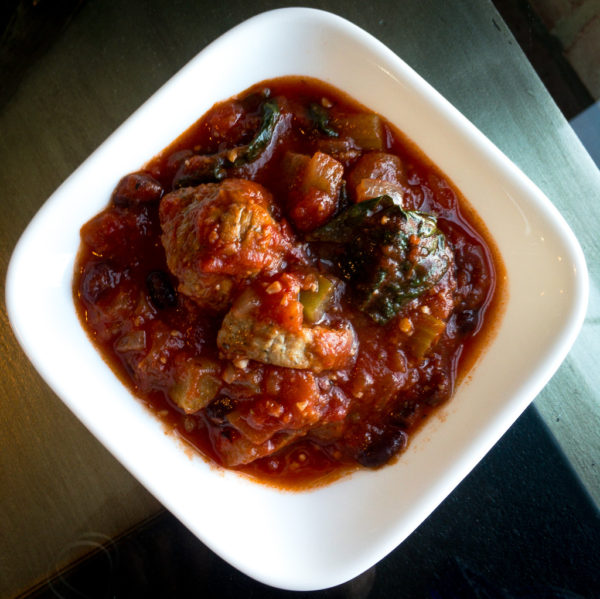
Pizza Soup
Plan Z Phase: This is a Z3 (ZReboot) recipe
Want all the flavors of pizza without the crusty carbs? This is it.
Make this for the whole gang and watch a movie on a cold evening. You can even make a big batch of this and serve it for a football party. Tailgate too.
Servings: This makes 6 servings. You can freeze extras. It also reheats well at the office or for another day. Each serving is 1.5 cups
Ingredients: You can vary the ingredients based on what you like on your pizza. I chose the really popular stuff, but if you like, for example, artichokes on your pizza, those can go in the soup. You can vary the peppers, add mushrooms… you get the idea.
For the soup broth:
- 1 Tbl of olive oil
- 1-1/2 cups of chopped celery
- 1-1/2 cups of chopped red onion
- 1 small green pepper, diced
- 1 cup of organic vegetable broth
- 1 cup of organic beef broth
- 1 20 oz. can of crushed organic tomatoes (no sugar)
- 1 Tbl minced garlic
- ¼ tsp of cracked pepper flakes (if you like your pizza to have some zip)
- 4 meatballs from the deli section. Sometimes I’m too busy to make meatballs. You can buy them in most deli sections now. Depending on the size, you will want about 30 chunks of meatball. I take the larger meatballs and cut them into 8 pieces each. It’s a little messy with the tomato sauce on them but it just adds to the sauce. The meatballs are standing in for sausage. You could buy sausage and use blobs of that or cut sausages into chunks. Just remember if you use those you have to cook them first.
- 2 cups of pepperoni chunks. I get a stick of pepperoni. Take off the skin (if it’s thick) and cut into cubes. You can even use small pieces of pepperoni or even cut slices into chunks. You decide your favorite. If you use sliced pepperoni you don’t need 2 cups.
- 2 – 4 handfuls of spinach, washed and chopped or baby spinach leaves will work too. The amount of spinach you add it up to you. These are suggested amounts.
- Grated parmesan cheese (optional)
Instructions:
Put the olive oil in the bottom of your soup pot or Dutch oven. Heat and add the celery, green pepper and onion. Saute on medium just until they loosen up.
Add the garlic and stir. Then add the veggie broth and the beef broth as well as the crushed tomatoes. Stir and begin to heat on medium high. You want to bring it up to a low boil. Add the optional cracked pepper flakes, the meatball chunks and the pepperoni. Heat the whole pot of soup. Let bubble for about 10 minutes to heat the meats in the soup and finish cooking the veggies. Then add your chopped spinach. Stir just until the spinach wilts. You are ready to serve.
Dust the top of the bowl of soup with grated parmesan if you like.
Enjoy!
Cheers,
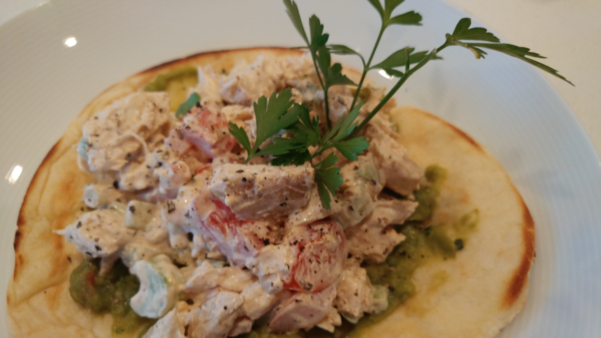
Mexican Chicken Salad
Plan Z Phase: This is a Z3 (ZReboot) recipe.
Because the chicken is already cooked, this comes together fast. Just a little chopping and a little stirring and you’re ready to serve.
Servings: Serves 4
Ingredients:
- 1 plain, cooked rotisserie chicken. Find them in your grocery deli section
- 1 cup of chopped celery chunks
- 1 cup of diced green onion. White and light green portions.
- 1 small tomato, diced
- ½ cup of mayonnaise
- ½ cup of sour cream
- 2 Tbl of fresh lemon juice
- ½ tsp of cumin
- hot sauce or cayenne to taste
- 2 Tbl of Taco Seasoning. (I hate the idea of using this taco mixture but I am going to make a rare exception because I wanted you to get the retro-taste of Chi-Chi’s or Taco Bell tacos). You can choose you level of spice. I used Original. Any brand will do.
- Optional: A piece of pita bread (for Z3.5 after you’ve stabilized only)
- Optional: You can add a smear of guacamole on top of your toasted pita for even more Mexican punch. Then top with chicken salad.
Instructions:
Bring a large bowl out of the cupboard. Sit down at a cutting board with your chicken. Open the container and begin pulling the chicken apart. I discard the wings. Take off the skin as you go and toss that too. You just want to cube up the breast meat and any of the dark meat that you think you’d like to add to your chicken salad. Add the chunks to your bowl as you proceed. When you are finished cutting up the chicken you’ll have about 4 cups of cubed chicken.
To the bowl add the celery chunks, green onion and the tomato bits. Stir to mix them up.
In a small bowl, make your dressing. Add the mayo, sour cream, lemon juice and the spices. Stir to incorporate and then taste test to see if you have the amount of spiciness you like. You can always add a bit more but you can’t get it back out. When I made mine I put in about 4 blurps of hot sauce. When I tasted it I decided it could use a little zing from cayenne so I added a dusting on the top.
Chill the chicken salad until ready to serve.
If you are going totally low carb you can serve this over lettuce. Bib lettuce would look nice.
In the picture, you’ll see I toasted a piece of pita and piled chicken salad on top. I only ate about 3 bites of the pita because that’s my limit of bread. That said, the contrast of the crunchy hot pita and the cold chicken salad was great.
Cheers,
Meatball Veggie Casserole
Plan Z Phase: This is a Z3.5 (ZReboot 3.5) recipe.
On a busy night, this comes together in a flash. Then just bake it. Kids will love it too. It’s got plenty of flavor without adding a bunch of spices.
Other notes: This can really be made with just about any veggies you have in the fridge. Other ideas include bell peppers, onions, broccoli and more.
Servings: Serves 6
Ingredients:
- 1 cup of uncooked pasta. I used little penne. This is not much pasta spread over six servings. You just need enough to cover the bottom of a 9”X9” ovenproof casserole. If you use spaghetti, just break it into pieces so it will fit.
- 1 small jar of pasta sauce. Marinara. Find one with no sugar. They do exist. You only need about 1.5 cups. (If you don’t want red sauce you could really use just about any pasta sauce) I use a sauce called Passata because it comes in a small jar and I don’t have any leftovers that way. It’s a chunky tomato sauce found by the other pasta sauces.
- 1 cup of water
- 5 medium-sized meatballs. I get the ones they have in the deli at my store. I know they are freshly made and already have some sauce on them. If you can’t get fresh ones you can use thawed, previously frozen ones. Those are usually smaller. I cut my five meatballs into bite-size chunks. About 40 total.
- 1 8” zucchini, cut into bite-sized chunks
- 1 cup of chopped button mushrooms. I get the sliced ones and then just randomly cut them up
- 2 cups of shredded mozzarella/provolone mixture
- ½ cup of shredded Parmesan
Instructions:
Put the pasta in the bottom of the ovenproof pan. Pour the water over. Then pile in the veggies and the meatball pieces. Pour the sauce on top. Cover the casserole with aluminum foil. Bake at 375 degrees for 45 minutes. Take it out and stir it up. Make sure the pasta is done to your liking. If it not done, put back for a few minutes.
When you take it out, sprinkle on the mozzarella and the Parmesan and put it back in for 10 minutes and you’re ready to serve. You might want to let it rest for a few minutes so you don’t burn your mouth.
Enjoy!
Cheers,
The Decade of Halloween Parties
At about age 35 I decided that Halloween was my favorite holiday.
We started having Halloween Parties and things just took off. It was almost scary.
Whichever Saturday was closest to Halloween became the night of the Halloween party. Written invitations went out a month ahead. The RSVP’s came in. Usually, there were at least 60-70 people in attendance.
After dark, the guests poured in. But even before they hit the front door they were part of the experience. We went all out to decorate the yard.
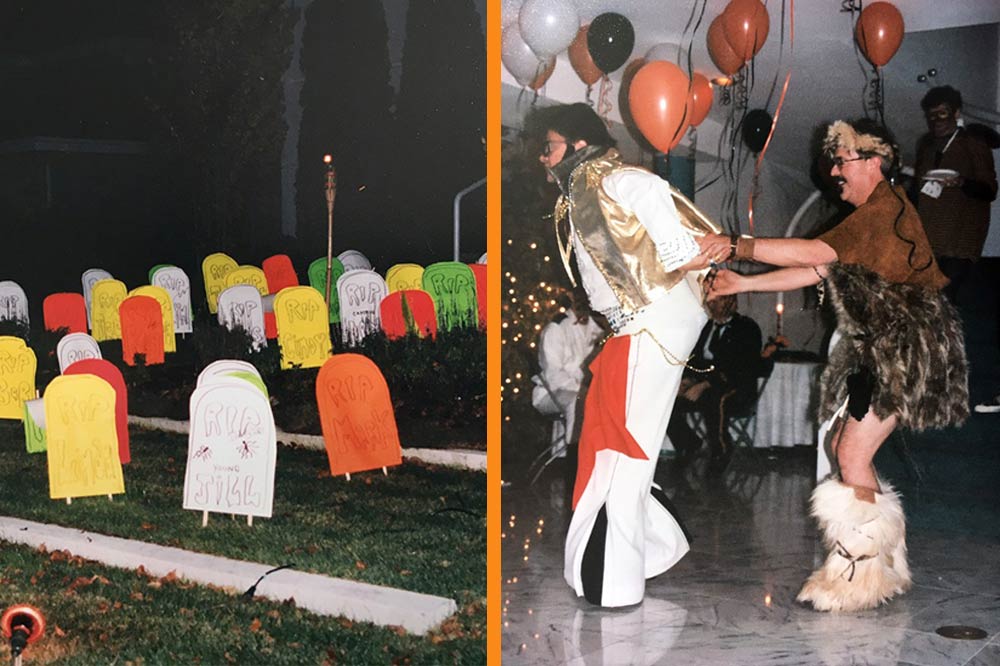
One of the most popular decoration themes for the yard was a graveyard. Each person in attendance at the party had a personal gravestone. In those days, you could not buy Halloween decorations like you can now. I had to make them. So each guest had a “gravestone” made out of neon poster paper. I bent coat hangers and taped them to the back so they would stand in the grass. Imagine a front lawn with 70 gravestones that suddenly pop up a few days before Halloween.
It got to be pretty funny. Neighbors told me they’d drive or walk by to see who was attending the party that year. They could tell just by walking by the front of the house and reading the gravestones.
One year there was a 20’ high spider web spread up two stories to the top of a tree in our front yard. And of course, a giant spider. Every year the pumpkins we carved got more and more elaborate.
There was a party BEFORE the big party. That one was the one in which people volunteered to help decorate and cook so we could feed the masses. My sister was in charge of one thing, and one thing only. Spider webs. She’d spend hours finding places to stretch those stringy white webs. I think you know that can be done quickly and in sloppy fashion. That was not my sister. She was meticulous and did a fabulous job.
There was a “boy” list and a “girl” list. It was sort of sexist but any boy could do things on the girl list and vice versa. The boy projects usually involved heavy lifting or construction elements. The girl list mostly involved food prep. We had a blast even before the big party started.
I will be able to write columns for years to come from all the stories that surfaced from the 10 years of Halloween parties. For now, I’ll give you just a bit of the details in case you want some hints on things you could incorporate into yours. These things worked well for me.
1. The party started at 8 PM. I knew it was going to go late into the evening (more like 3 AM) so no sense starting too early. Let people do the trick-or-treating with their kids and then come on over.
2. I served 13 courses. Usually six appetizers, 1 entrée course and then six desserts. The food always had a theme, so the year my husband dressed as Rhett and I dressed as Scarlett, we served southern food.
3. The desserts were pretty elaborate. Maybe a bloody, plastic hand would be coming vertically out of a cake. Or spider webs drawn on a tart with plastic spiders. Some desserts were pretty, but pretty or creepy, they all disappeared. No leftovers from those parties.
4. Drinks and appetizers had themes, too. Things like blue cheese stuffed olive eyeballs floating in a bowl of vodka. Those were a hit.
5. We hired a DJ every year and our entryway became the dance floor.
6. Dancing started right away with people also having drinks and observing the costumes.
7. Some years we had a costume contest. The trophy was a foot-tall rubber rat.
8. The appetizers were a self-serve buffet in the bar. The entrée service was a buffet in the dining room and when that was removed we moved on to a buffet of desserts.
9. People went all out with their costumes. Year one, maybe they came dressed conservatively, but when they saw what others did, they came back at year 2 and went all out. One woman came dressed as a table lamp. And on top of her head was a bulb that actually lit up when someone pulled her chain. The lampshade was amazing. Two sisters came as Morticia from The Adams Family and her dead sister. The fake gash in that woman’s neck from the axe that killed her was enough to make you lose your appetite. People came in crowds too. Six people dressed as aliens. When they opened their mouths they glowed green. One of them must have been a dentist. Five guys dressed as the Village People. They did an arrangement with the DJ so when they came waltzing in he played YMCA. I could go on… and on… My brother once dressed as a scarecrow. He sat slumped on our front porch as people arrived. The guests would marvel on how the scarecrow we put out on the porch looked so lifelike. Then he’d suddenly come to life and scare the daylights out of them. And I mean screams! One guy called me before the party to see how tall my ceilings were. He arrived dressed as a 15’ Kachina doll.
Alas in the big move, I think the pictures might have gotten thrown out. I had probably 1000 pictures that people had taken over the years. I asked my friend Peter and he came up with these two. You get to see the graveyard and Elvis dancing with a Caveman.
I have more fond memories of Halloween than any other holiday. I’ll be forever grateful to all of our friends who contributed to the merriment.
May those parties rest in peace.
Enjoy your Halloween
Cheers…
and Boo!