

Dr William Davis on the Dangers of Wheat
You have heard the term “healthy-whole-grains” so often that it may be hard to believe that grains are not good for you. The USDA tells us we should have 6 to 11 servings of grain per day. They are trying to sell commodities. Don’t listen.
To help get (and keep) your mind right, watch this Dr. William Davis, author of Wheat Belly. Discover how Dr. Davis started.
See why you’re much better off staying off the grains?



Dr Justin Explaining Resistant Starches
Starch is the arch-enemy of people who want to get to a healthy weight. A medium-sized baked potato has 37 grams of carbohydrates. A large baked potato has 63 grams of carbohydrates.
One thing you might want to look into at this point is the idea of “resistant starches.” These are starches that are digested in your intestines and don’t spike your insulin levels.
I am successfully adding back a few of these resistant starches with no weight gain. Take it easy, though. Go slowly. See what your body can handle.
Here’s a video that describes the benefits of resistant starches.
In this video, Dr. Justin gives an 8-minute “chalk talk” on resistant starch. I’ve been experimenting with baking a potato and then cooling it in the refrigerator overnight. I sauté half of it in some butter along with an onion and red or green peppers. Then, I put cheese and scrambled eggs over that.
So far, so good.
6’3” and 202.5 pounds this morning.
I’ve been living ZLife for five years now have maintained my weight within plus or minus 2 pounds of 204. Not bad for an old guy.
Stay angry my friend,


When Thin Became "In"
Eric Oliver is the author of Fat Politics, The Real Story Behind America’s Obesity Epidemic. Oliver is a political scientist at University of Chicago. In this extended clip from Fat Head, Oliver talks about the days when it used to be a sign of wealth to be fat. And when thin became in.
He’s done a lot of research and approaches the subject of obesity from a completely different perspective.
His is a contrarian viewpoint and book.
As a political science major (B.A. 1972, Baldwin-Wallace College), I appreciate his perspective. I think he makes a good case that bariatric surgeons and drug companies want fat people’s insurance money to try to make them thin.
There’s a lot of politicking going on and the pharmaceutical companies are leading the way. Oliver argues that “obesity” is not a disease and the “obesity epidemic” is more political construct than a real problem.
He argues that being fat doesn’t kill you or make you sick. My take is that the sugar laden food that makes you fat and plays havoc with your insulin is responsible for many other diseases. So the foods that make you fat, make you sick.
My job is to connect you to some new information and thinking about the issue. J. Eric Oliver is worth knowing about:
He doesn’t believe in “fad” diets. Since he lives in Chicago, we might have to invite him over and set him straight about Plan Z. As you’ve discovered, the ZR50 Crave Control spray keeps you from getting irritable and depressed. Your body can let go of stored fat when you don’t feed it lots of sugar and flour.
Politically incorrect,

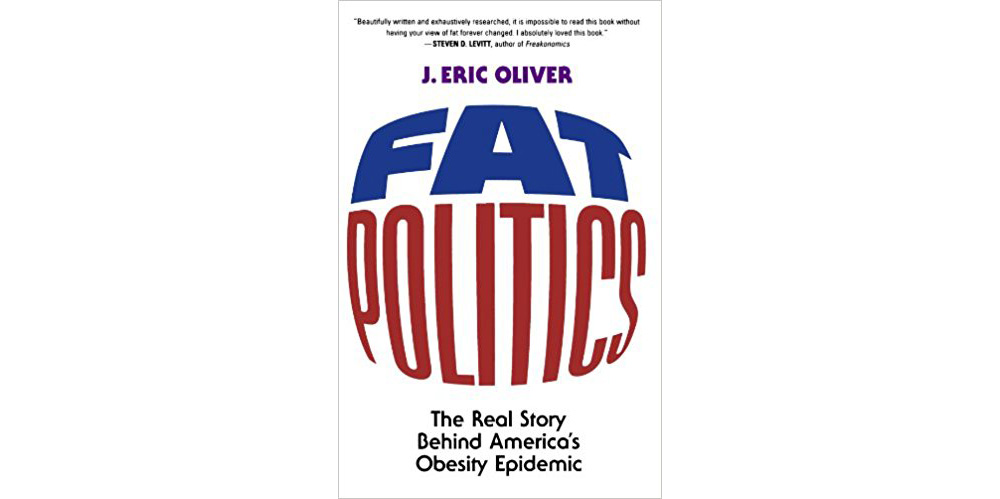
Fat Politics: The Real Story behind America's Obesity Epidemic
 It seems almost daily we read newspaper articles and watch news reports exposing the growing epidemic of obesity in America. Our government tells us we are experiencing a major health crisis, with sixty percent of Americans classified as overweight, and one in four as obese. But how valid are these claims? In Fat Politics, J. Eric Oliver shows how a handful of doctors, government bureaucrats, and health researchers, with financial backing from the drug and weight-loss industries, have campaigned to create standards that mislead the public. They mislabel more than sixty million Americans as "overweight," inflate the health risks of being fat, and promote the idea that obesity is a killer disease.
In reviewing the scientific evidence, Oliver shows there is little proof that obesity causes so much disease and death or that losing weight is what makes people healthier. Our concern with obesity, he writes, is fueled more by social prejudice, bureaucratic politics, and industry profit than by scientific fact. Misinformation pushes millions of Americans towards dangerous surgeries, crash diets, and harmful diet drugs, while we ignore other, more real health problems. Oliver goes on to examine why it is that Americans despise fatness and explores why, despite this revulsion, we continue to gain weight.
Fat Politics will topple your most basic assumptions about obesity and health. It is essential reading for anyone with a stake in the nation's--or their own--good health.


The Easiest Way to Stay Thin Forever
Discover the way food marketers manipulate you with packaging and advertising and guard against it.
Best-selling author Michael Pollan explains how food marketers have turned his critiques (like don’t eat anything with more than five ingredients) into another way to sell consumers more food. His new rule of thumb? “Don’t eat any foods you’ve ever seen advertised on television.”
This 3-minute clip with Michael Pollan will make you a much smarter consumer. Watch and learn.
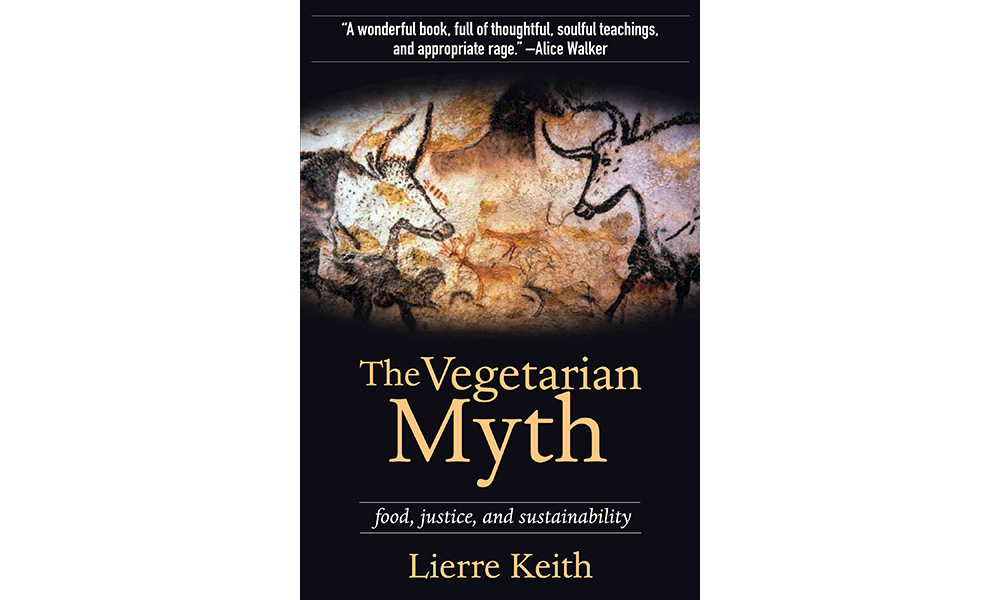
The Vegetarian Myth
 Part memoir, nutritional primer, and political manifesto, this controversial examination exposes the destructive history of agriculture—causing the devastation of prairies and forests, driving countless species extinct, altering the climate, and destroying the topsoil—and asserts that, in order to save the planet, food must come from within living communities. In order for this to happen, the argument champions eating locally and sustainably and encourages those with the resources to grow their own food. Further examining the question of what to eat from the perspective of both human and environmental health, the account goes beyond health choices and discusses potential moral issues from eating—or not eating—animals. Through the deeply personal narrative of someone who practiced veganism for 20 years, this unique exploration also discusses alternatives to industrial farming, reveals the risks of a vegan diet, and explains why animals belong on ecologically sound farms.
The Truth About Agave
 Many of us are looking for a sweet deal. Agave isn’t the one. Dr. Joseph Mercola exposes the dark side of this newly popular sweetener.
His take:
While agave syrup does have a low-glycemic index, so does antifreeze – that doesn’t mean it’s good for you.
Most agave syrup has higher fructose content than any commercial sweetener – ranging from 55 to 97 percent, depending on the brand, which is FAR HIGHER than high fructose corn syrup (HFCS), which averages 55 percent.
This makes agave actually WORSE than HFCS.
To read Dr. Mercola’s entire article please follow this link.
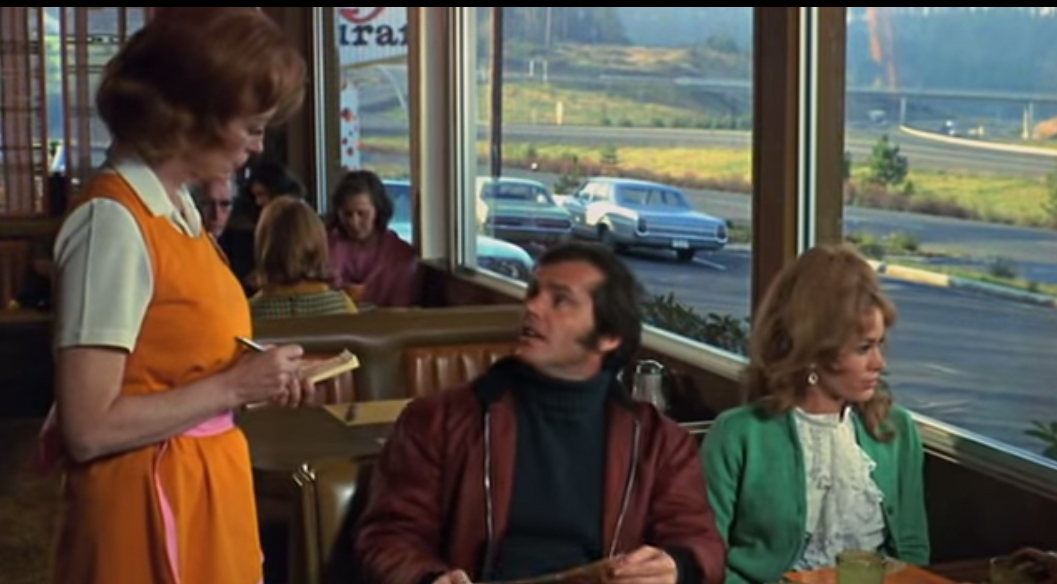
How To Really Order Breakfast
Here’s a blast from my past.
I’m a film buff and I love great movie lines.
Nobody does angry like Jack Nicholson does angry. In this classic scene from Five Easy Pieces, Nicholson tries everything he can think of to get the exact breakfast he wants.
Great film making. Sensible breakfast ordering, too.
I love the way he tries to substitute tomatoes for potatoes.
He also tries to order whole wheat toast, which seems better than a sweet roll.
But one of the best things you can say when you're eating breakfast in a restaurant is . . .
Hold the toast.
Once you've got the coffee and the omelet, you pretty much have all the breakfast you need (except for bacon or sausage)…
As VP of Anger Management at Plan Z, I have learned to look at toast as a non-essential building block of a good breakfast. Having two pieces toast racks up 29.4 grams of carbohydrates. And hold the orange juice, too. Wash that breakfast down with an 8-ounce glass of orange juice and you’ve just added 27.1 more grams of carbohydrates.
Do you really want to start your day that way?
And don’t get me started on milk.

Zola used to be an avid and big skim milk drinker. The milk may be non-fat, but is wasn’t helping her one bit. Do you really believe everything you see in advertising? When you finish that second glass of skim milk, you have already downed another 24 grams of carbohydrates.
So have some eggs and bacon. Avoid putting that first 70 grams of carbohydrates into your system and telling your insulin to “get busy storing fat.”
I get madder than Jack Nicholson when I think of how much weight I gained eating a “healthy” breakfast. Please don’t get me wrong. I enjoy a piece of bread now and then at a nice restaurant.
But toast for breakfast? Five Easy Pieces (per year) is about right.
Stay angry my friend,
Carbohydrates and Cancer
This will either make you mad or afraid.
Either way, it will give you important reasons not to go back to the Standard American Diet (SAD).
Gary Taubes spent four years researching his book, Good Calories, Bad Calories. He kept coming across credible studies from researchers who noted that there were very low cancer rates among native societies. It was only when the Western diet featuring flour and sugar was introduced that cancer rates rose and rose quickly.
Pour yourself a cup of black coffee and watch 6-minute video now:
Feeling bitter toward the food companies? Feeling better about getting sugar and flour out of your diet?
I certainly am.

Time Magazine Interviews Michael Pollan
“You get to vote with your fork three times a day.”
That’s what Michael Pollan suggests. He’s the author The Omnivore’s Dilemma and In Defense of Food and Food Rules. I found a 6-minute video of an interview he did with Time Magazine. I highly recommend you watch it and see how he thinks about food.
We will keep connecting you to information like this and urge you to do more research on your own and develop your own philosophy of eating.
Cheers,

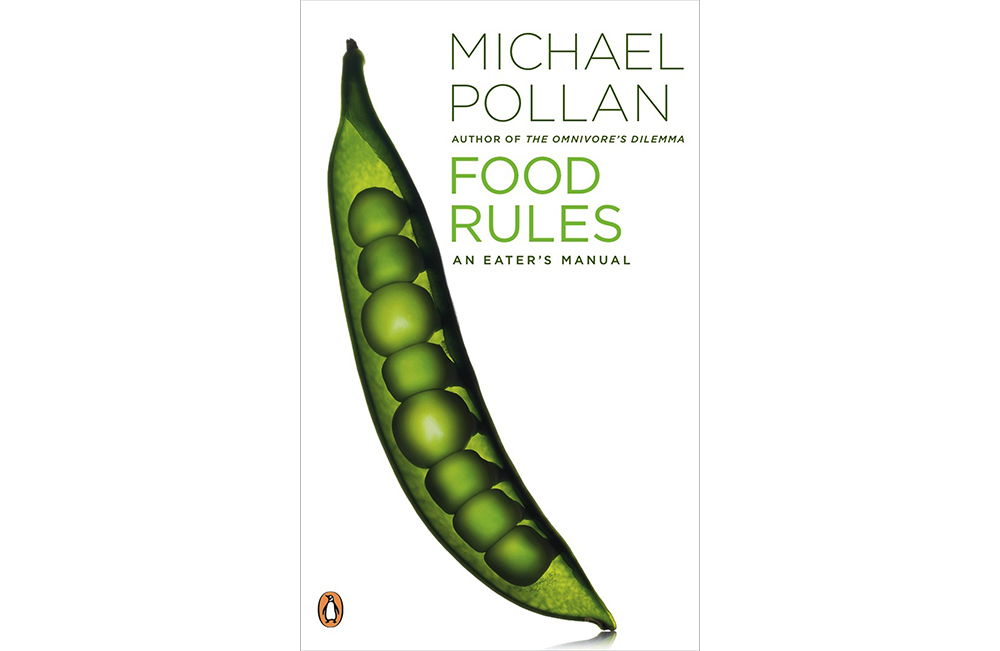
Food Rules: An Eater's Manifesto
 #1 New York Times Bestseller
A definitive compendium of food wisdom
Eating doesn’t have to be so complicated. In this age of ever-more elaborate diets and conflicting health advice, Food Rules brings welcome simplicity to our daily decisions about food. Written with clarity, concision, and wit that has become bestselling author Michael Pollan’s trademark, this indispensable handbook lays out a set of straightforward, memorable rules for eating wisely, one per page, accompanied by a concise explanation. It’s an easy-to-use guide that draws from a variety of traditions, suggesting how different cultures through the ages have arrived at the same enduring wisdom about food. Whether at the supermarket or an all-you-can-eat buffet, this is the perfect guide for anyone who ever wondered, “What should I eat?”
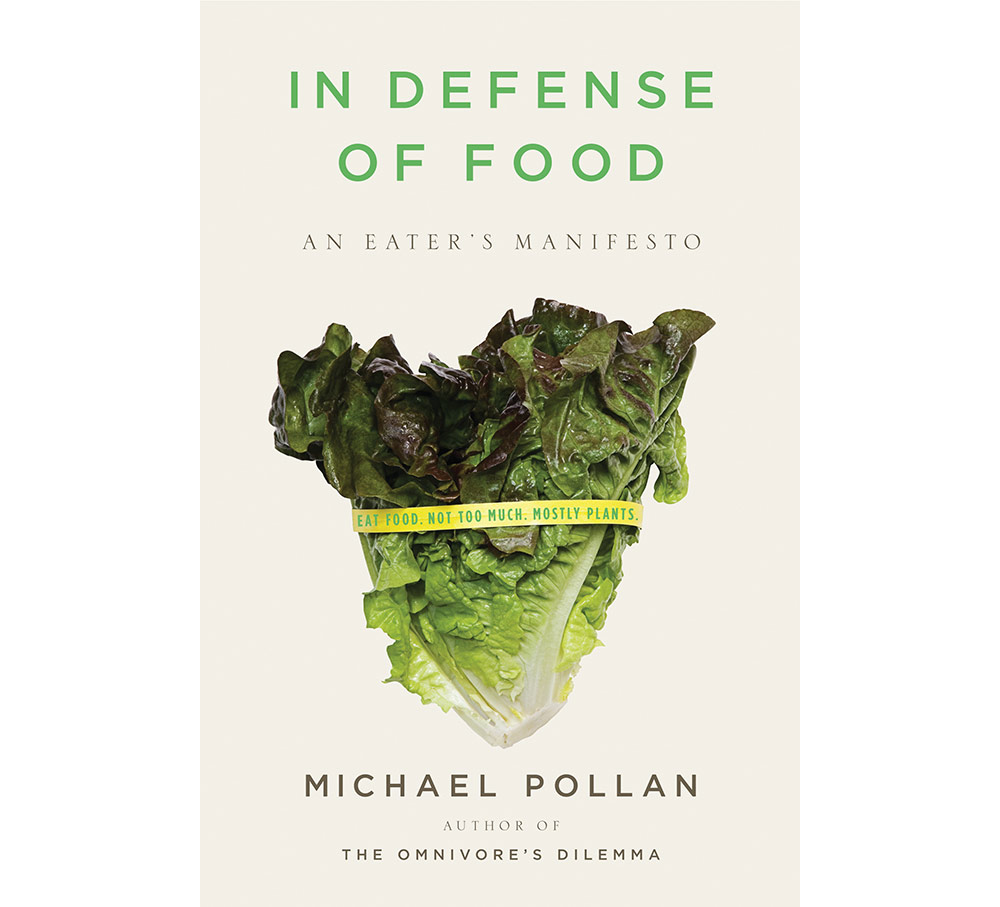
In Defense of Food: An Eater's Manifesto
 Food. There's plenty of it around, and we all love to eat it. So why should anyone need to defend it?
Because in the so-called Western diet, food has been replaced by nutrients, and common sense by confusion--most of what we’re consuming today is longer the product of nature but of food science. The result is what Michael Pollan calls the American Paradox: The more we worry about nutrition, the less healthy we see to become. With In Defense of Food, Pollan proposes a new (and very old) answer to the question of what we should eat that comes down to seven simple but liberating words: "Eat food. Not too much. Mostly plants." Pollan’s bracing and eloquent manifesto shows us how we can start making thoughtful food choices that will enrich our lives, enlarge our sense of what it means to be healthy, and bring pleasure back to eating.
Crisis In Nutrition
Your doctor will tell you to eat less fat and exercise more if you want to lose weight. But now that you’re on Plan Z, you have another way to lose weight that actually WORKS!
In this clip, Tom Naughton of “Fat Head” speaks at a conference of the Office of Research Integrity on why more and more people are ignoring doctors, nutritionists and government health agencies and turning to blogs and social media for health and nutrition advice.
Why do you think that is?
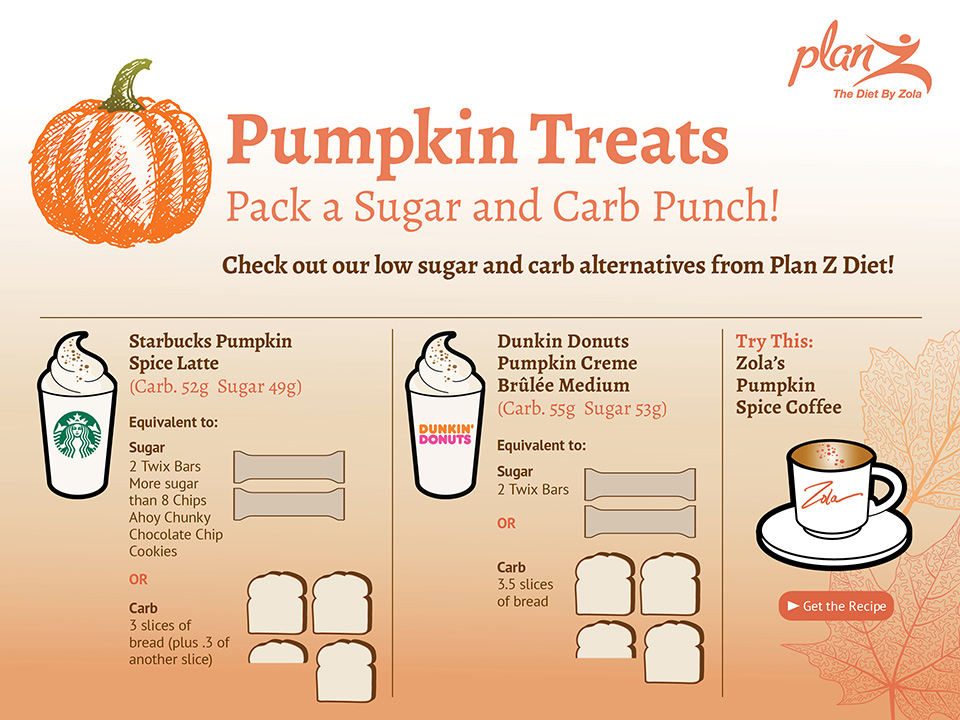
Pumpkin Treats

For a low-carb, low-sugar alternative, try Zola's Pumpkin Spiced Coffee:
This is a Z2 (ZReduction) recipe and Zola to GO! The commercials are everywhere in the Fall. Pumpkin this and pumpkin that. Starbucks is famous for their pumpkin spiced latte. But get this. A tall (which most know is their smallest size) comes in at 40 whopping grams of carbohydrates. A medium (Grande, 16 oz) has 52 grams of carbs. That’s disgraceful and disgusting! Double that for a venti and you’ve now hit the carb jackpot and reached a number of carbs that is higher than most folks can handle for an entire day without gaining weight. They’ve destroyed their carb intake for the day with a pumpkin spiced latte and they haven’t even eaten food yet! People don’t often count the calories or the carbs in their coffee, but they'll have the same impact on your body as the carbs in a bowl of pasta.
We came up with this reasonable facsimile. We hope you enjoy! Dieter Carolyn who is a pumpkin latte mega-fan enjoyed this and is now converted! And she’s saving money too!
Serving Size: Serves up to 12 (cups of coffee)
Ingredients:
- Coffee for a full pot
- 1 – 2 tsp of pumpkin pie spice mix
- Truvia to taste
- 1 Tbl of cream per cup of coffee
Instructions:
Fill your coffee filter basket with your normal amount of coffee to make a full pot. Now sprinkle on 1 – 2 tsp of pumpkin pie spice over the coffee grounds. Fill with water and brew as usual. You’ll have pumpkin spice-flavored coffee.
If you want sweetened coffee put Truvia in your cup of brewed coffee. A half teaspoon will do it for most folks. Then add a Tbl of cream if you want it creamier (latte style). If you’re not trying to lose weight you can add more cream. Remember it’s not the cream that will make you fat. It’s the sugar – the carbs.
Variations:
Want cinnamon coffee? Sprinkle the same amount of cinnamon over the coffee grounds
Want vanilla coffee? Sprinkle 2 tsp of vanilla over the grounds and proceed as usual.
There are all kinds of spices hanging around in your spice drawer that could make an exotic cup of coffee if you want to experiment. I think of things like cardamon. That would make an interesting kick. Apple pie spice might be a go-to for me. Nutmeg sounds nice and homey. If you are using stevia drops you can put any of those flavors either directly into your brewed coffee or sprinkle them over the grounds to make a whole pot at once. I used to use the toffee flavored stevia drops in my coffee. Since then, I’ve gone back to plain but I did my experimenting. I’m not a caffeine drinker so I’m not an expert. Maybe you have more ideas you share with me!
Enjoy!
Cheers,

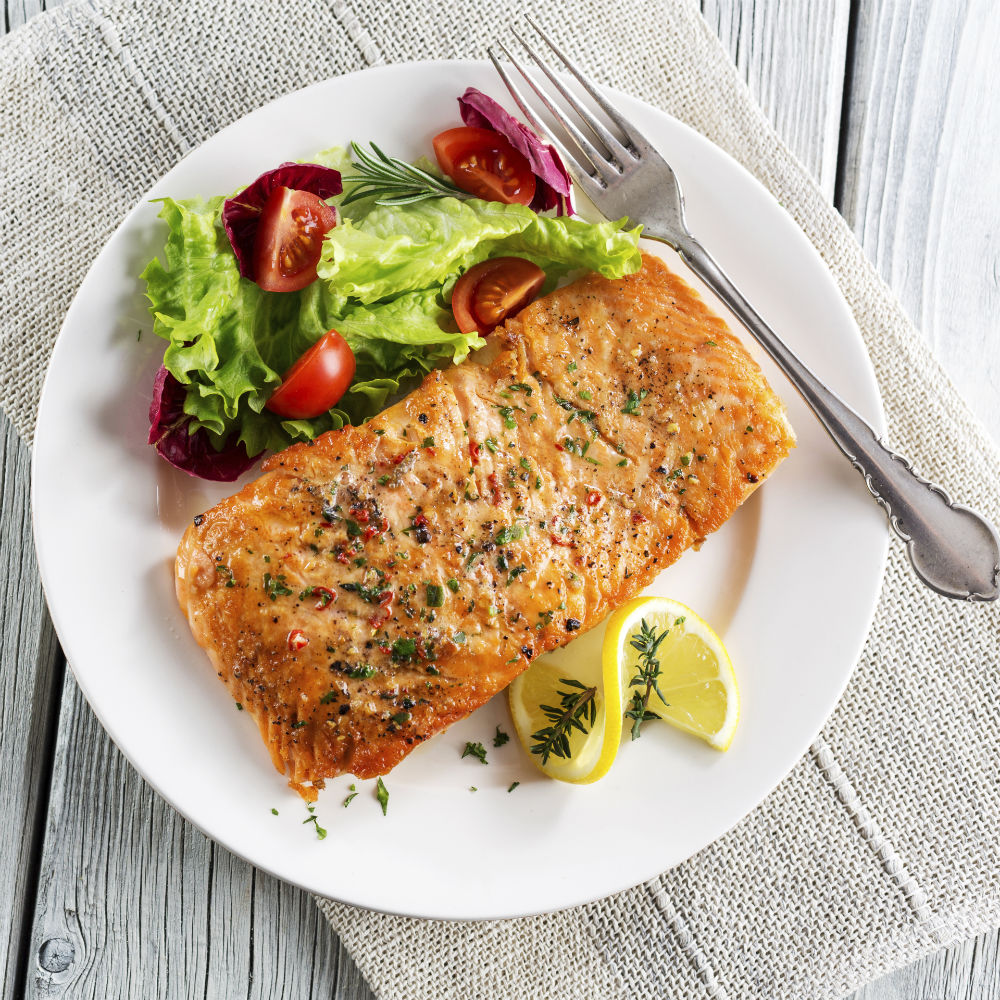
Baked Salmon
Plan Z Phase: This is a Z2 (ZReduction) recipe.
A quick, easy, and simple fish dish to brighten up your weekday meals. Try pairing the salmon with some of my Zola-fied "Berghoff" spinach for a complete and tasty dinner.
Serving Size: Serves 2
Ingredients:
- 2 six to eight ounce pieces of salmon. All skin removed
- 2 Tbl of vinaigrette. Your choice of flavor. Non-sweet. I used champagne vinaigrette. (I am going to clear some full-fat dressings for Plan Z. This is the first recipe using salad dressing).
- 1/2-1 tsp of dried basil (up to you how intense you want your basil flavor)
- Sea salt
Instructions:
Heat oven to 375 degrees.
Put the fish pieces in an ovenproof pan that has been sprayed with olive oil. Drizzle dressing over the fish. Let marinate in your refrigerator for 15 minutes. Don't marinate it much longer or the vinegar in the dressing will being to 'cook the fish'. Sprinkle the basil over the fish and marinade.
Cover dish with aluminum foil.
Transfer to your oven and bake for 15-20 minutes, or until fish is done to your liking. Grate sea salt and pepper to taste.
I served mine over Zola-fied "Berghoff" spinach.
Enjoy!
Cheers,
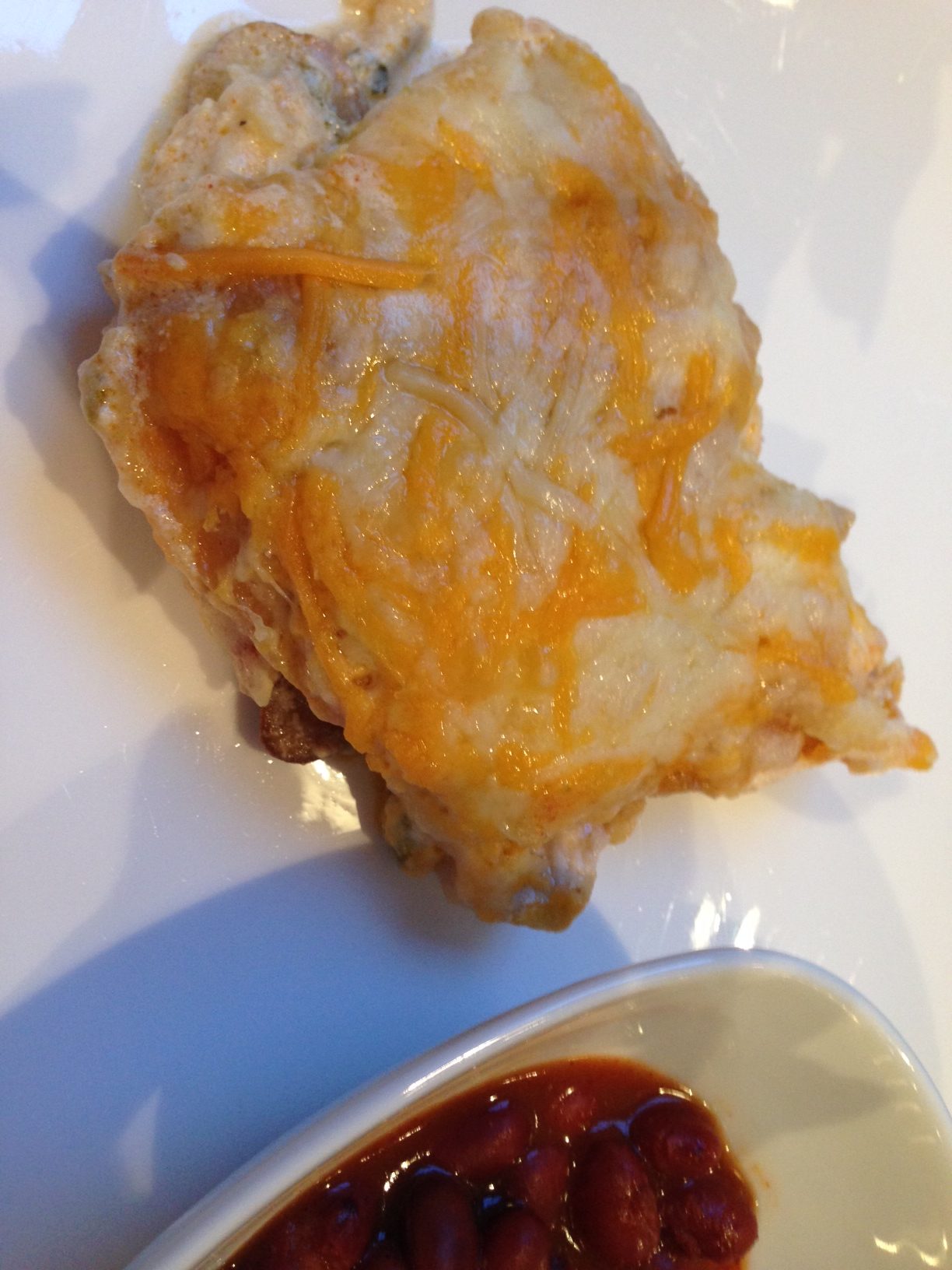
Chicken Chili Enchilada Casserole
Plan Z Phase: This is a Z3 (ZReboot) and Zola to GO! recipe. This casserole tastes just like a zippy chicken enchilada without the major carbohydrate intake. You can make it milder using poblano peppers or slightly spicier using cubanelle peppers.
Servings: Serves 4-6
Ingredients:
- 3 Tbl of butter, divided
- 2 boneless chicken breast pieces sliced thinly across the grain and then cut into bite-sized pieces
- Smoked paprika and cumin (you'll do a light dusting of each)
- 2 fresh poblano peppers or 2 large, fresh cubanelle peppers. Cut open the peppers. Remove seeds and the veining. Then cut crosswise into narrow stripes.You'll have about 2 cups of pepper pieces.
- 1 large jalapeno pepper. Cut open to take out veins and seeds. Then cut into a fine dice.
- 2 tsp of garlic (a jar of garlic will work)
- juice of one half of a lemon
- 1-1/2 cups of sour cream
- 2 Tbl of minced, fresh cilantro
- 8-ounce package of sliced mushrooms
- 2, 6" corn tortillas
- 1 cup of shredded mozzarella cheese
- 1 cup of shredded cheddar cheese
Instructions:
Preheat oven to 350 degrees.
In a medium saute pan, melt one tablespoon of the butter. Put in mushrooms and cook them on medium until brown on the edges. Stir often. In another saute pan, melt the rest of the butter and put in the chicken, garlic, lemon juice and the peppers. Cook on medium high, tossing often so they cook evenly. Cook the chicken all the way through. When it's just about done, do a light dusting of the cumin and paprika to give it a smokier flavor.
Take out a 9" x 9" oven-proof casserole dish. Add the chicken mixture and the mushrooms. Top with the sour cream and cilantro. Stir it all together so it's nice and gooey. Top the creamy mixture with one cup of shredded mozzarella. Spread it across the entire top.
Then take one 6" corn tortilla and set it on top off to one corner. It will cover much of the casserole, but not quite all of it. Cut the other tortilla so it fills in the open spots. The pieces might overlap a bit. That's okay. Press down just a bit if necessary and then put one cup of cheddar across the entire top.
Carefully put it in your oven and bake 25 minutes. Let cool about 10 minutes before cutting. This way you won't burn your mouth and the casserole will also firm up a bit so it's easier to cut.
Store leftovers in the refrigerator. They cut like blocks the next day and you can microwave or heat in an oven. This will travel well in a plastic lunch container.
Enjoy!
Cheers,
Gluten Free
Going gluten-free is all the rage right now with urban and rural hipsters. Many people are jumping on the bandwagon; especially young adults in their 20s and 30s. They do it for good reasons, but they don’t realize how they are being manipulated.
Step back to the 80’s and I was in the same boat. I fell into a similar food marketing trap. I fell into the fat-free craze. Those supposedly in the know told me that fat would clog my arteries. They told me I better eat fat free foods if I expected to live past 50. We all know now that was a bunch of bunk.
It is expected that the gluten-free industry will balloon to over $8 billion (yes, with a ‘b’) by 2020. But is "gluten free" really necessary? And is it really healthier than wheat-based products?
For those with a gluten intolerance, going gluten-free is a good idea. If you have celiac disease you really have no choice (unless you want to go through your day with stomach cramps, bloating, diarrhea, gas and a whole lot of other uncomfortable issues). In order to stay out of the potty you have to make a change.
So why do we have such an increase in celiac disease and intolerance to gluten?
Blame the wheat. I won’t go all science-y on you, but the wheat we grow today is not the same wheat we grew 50 years ago. Wheat is now genetically modified to grow faster to yield a bigger harvest. A bigger, faster harvest translates to more sales and more profit. But we are the ones who suffer as a result.
Since I’ve gone low carb I can tell when I eat too much wheat. I get bloated and uncomfortable. I’m not gluten intolerant, though. I’m just gluten sensitive. That gives me an incentive not to eat wheat (which I know is bad for me anyway). I stay away from wheat because it full of carbs. And carbs make you fat.
So why not eliminate wheat from your diet and switch to eating the gluten-free products that now make up such a big industry?
Because gluten free products are made with rice flour. At least, most of them are.
So all we've done is swap out wheat based products with rice based products.
Both are high in carbs. AND…rice flour is worse on your blood sugar than wheat flour.
We all know carbs increase our blood sugar. High blood sugar leads to Type 2 diabetes. No one wants that. So before we start eating gluten-free products (even those of us who are not gluten intolerant), we need to stop and think about what that would do to our bodies. Not only will we get fat eating gluten-free boxed food (another side effect), it will also raise our blood sugar levels.
We’ve talked before about how a glycemic index of 100 is the equivalent of straight glucose (sugar).
The glycemic index of wheat flour is 71.
The glycemic index of white rice flour is 89.
They are both bad, but rice flour is worse! You don’t want to continually jack up your blood sugar eating <strong>either of these</strong> or you’re on that express train to Type 2 Diabetes with very few stops along the way.
So how do we fix it?
Avoid most kinds of flour. Yes, some types of flour are better than others (coconut and almond flour are ok). But let me tell you, all those products in the ever-growing gluten free aisle aren’t your friends...and they never will be. They are primarily made of rice flour for two reasons:
1. There's no wheat in it so it's safe for people who are gluten intolerant.
2. It’s cheap. Food manufacturers like cheap.
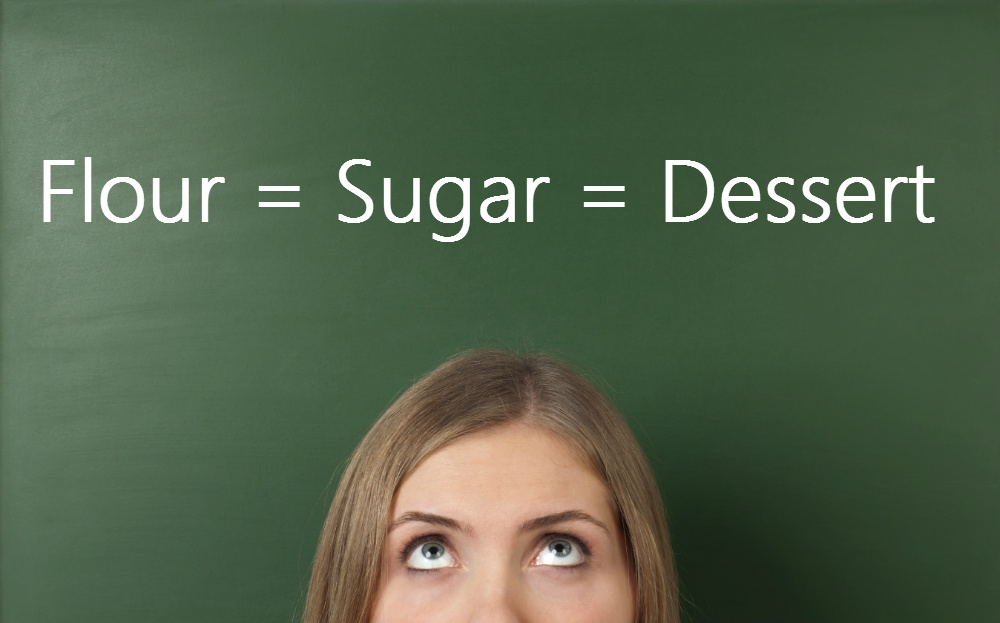
Remember my mantra.
Flour = sugar= dessert.
If you are do not have celiac disease and are not gluten intolerant you can get away with eating some this stuff before the pounds catch up to you. But if you think avoiding wheat based pasta and switching to rice based pasta is going to help you lose your belly fat, you are very, very misinformed.
Cheers,
The Inverse Food Pyramid
Dr. David Perlmutter has long believed that the nutritional guidelines put out by the USDA favor carbohydrate and sugar-rich foods, like grains and fruits, at the expense of those brain-boosting ones that can help strengthen our brains. In this video, Dr. Perlmutter will explain just why he thinks these guidelines are incorrect, and how we should be looking at nutrition.

Exposing The "Whole Grain" Myth
Most of the food advertising that we see is deceptive, manipulative and downright dishonest -- and they're allowed to get away with it.
This MarkitoNutrition.com lecture exposes deceptive food labels, and explains the differences between processed grains versus sprouted whole grains.
FED UP Movie
Whenever I take a phone order for Plan Z, I tell the new client that at least 60% of the value of the diet comes from the education you receive in the manual and through the daily e-mails and links to various videos we have found for you.
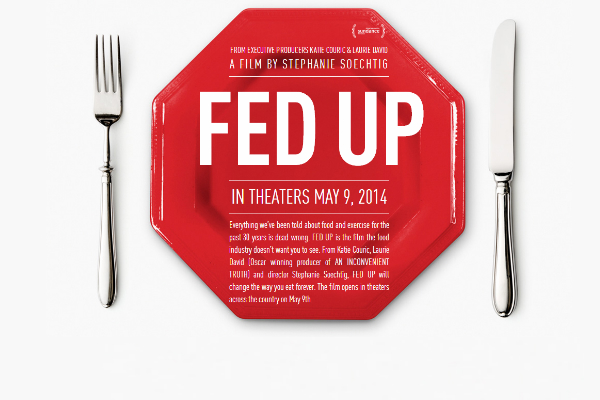
Fed Up rounds up the usual suspects to do short snippets on the evils of sugar and the problems in our food supply. There’s Gary Taubes, Kelly Brownell, Robert Lustig, Mark Hyman, former FDA commissioner David Kessler, Senator Tom Harkin of Iowa and many more. As a client, we have already introduced you to most of these characters.
If you’ve been following your Plan Z Diet Coaching and watching the videos we link you to, then you won’t need to see the movie unless you want to get a new dose of anger.
Still, if you want an entertaining, educational dose of righteous indignation, then you may want to watch Fed Up at a theater near you or download it from Netflix.
The film follows a few overweight children who are trying to lose weight using the conventional wisdom of eating less and exercising more. It is painful to watch one very overweight young girl tries swimming and working out to no avail.
The problem: the food they are eating at home and at school.
The parents of these overweight children are buying "healthy" low-fat food for them. Of course, since fat doesn’t make you fat and carbohydrates do, these fat kids keep gaining. The misinformed parents think low-fat cereal and skim milk will help their kids lose weight. Then, there’s one mom who switches from Hot Pockets to Lite Hot Pockets.
Fed Up speaks to the tremendous amount of misinformation in the market place.This statement is from their website:
Once you see Fed Up and learn the truth about sugar, we hope you get as Fed Up as we are with the state of our food environment. We are facing the biggest public health crisis of our time and the future of our nation depends on us taking action in our homes, schools, communities and workplaces.
Fed Up vilifies sugar. It drives home the case that excess sugar in our blood stream is the reason for the “obesity crisis.” At the end of the film, audience members are urged to do the 10-Day Sugar Elimination Challenge and document their experience through social media.
That’s a solid start.